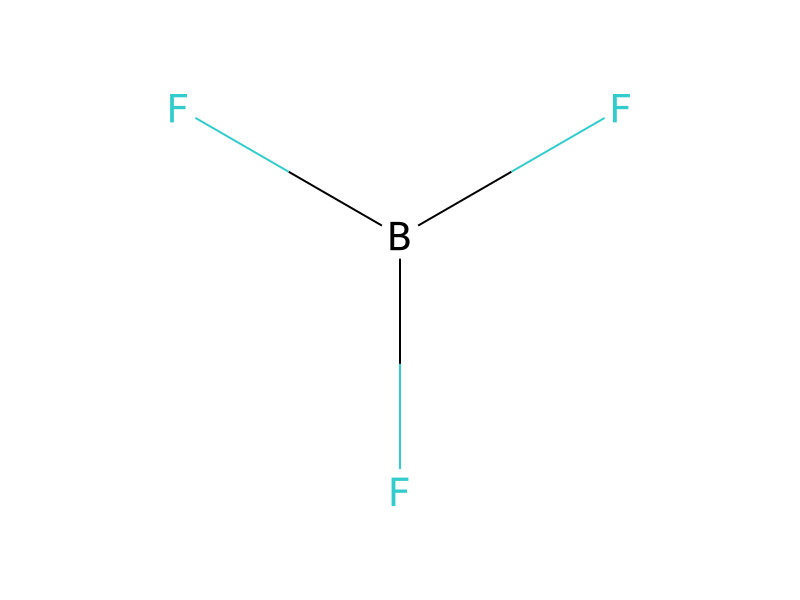
[CH:1]([O:4][C:5]1[C:10]([CH3:11])=[CH:9][CH:8]=[CH:7][C:6]=1[CH2:12][C@@H:13]([CH:15]1[CH2:20][CH2:19][NH:18][CH2:17][CH2:16]1)[OH:14])([CH3:3])[CH3:2].CO[CH:23](OC)[CH2:24][NH:25][CH:26]=[O:27].B(F)(F)F>C(Cl)Cl>[CH:1]([O:4][C:5]1[C:10]([CH3:11])=[CH:9][CH:8]=[C:7]2[C:6]=1[CH2:12][C@@H:13]([CH:15]1[CH2:16][CH2:17][NH:18][CH2:19][CH2:20]1)[O:14][C@H:23]2[CH2:24][NH:25][CH:26]=[O:27])([CH3:3])[CH3:2]Dissolve (S)-2-(2-Isopropoxy-3-methylphenyl)-1-(4-piperidinyl)ethanol (21.5 g, 78 mmol), N-(2,2,-dimethoxyethyl)formamide (15.5 g, 117 mmol) and BF3□Et2O (66.1 g, 466 mmol) in CH2Cl2 (350 mL). Heat the solution to reflux for 3 hr and then allow to stand 15 hr at room temperature. Evaporate the solvent and dissolve the residue in CH2Cl2. Treat the resulting solution with 50% aqueous NaOH to obtain a pH of 13. Separate the phases and extract the aqueous phase with CH2Cl2. Combine the organic phases, wash with brine and dry over MgSO4. Evaporate the solvent to afford a residue. Purify the residue by chromatography over SiO2 using CHCl3:2M NH3/MeOH (8:2). Evaporate the product-containing fractions and triturate with 1:1 Et2O:heptane to afford a crystalline solid; 1H-NMR (CDCl3) δ 8.2, 7.9 (2s, 1H), 7.0-6.7 (m, 2H), 6.2 (m, 1H), 4.8 (m, 1H). 4.2 (m, 1H), 4.1 (m, 1H), 3.3 (m, 2H), 3.2 (m, 2H), 2.9 (m, 1H), 2.7, (m, 2H), 2.5 (m, 2H), 2.2 (s, 3H), 2.0-1.4 (m, 5H), 1.3-1.2 (2d, 6H).
Wird geladen…