Phosgene → 2H-Indazole, 3-chloro-2-(4-chloro-2-fluorophenyl)-4,5,6,7-tetrahydro-
HRID 2083124
Reaktionsgleichung

[Cl:1][C:2]1[CH:7]=[CH:6][C:5]([N:8]2[C:16](=O)[C:15]3[CH2:14][CH2:13][CH2:12][CH2:11][C:10]=3[NH:9]2)=[C:4]([F:18])[CH:3]=1.C(Cl)([Cl:21])=O>>[Cl:1][C:2]1[CH:7]=[CH:6][C:5]([N:8]2[C:16]([Cl:21])=[C:15]3[C:10]([CH2:11][CH2:12][CH2:13][CH2:14]3)=[N:9]2)=[C:4]([F:18])[CH:3]=1Komponenten
3
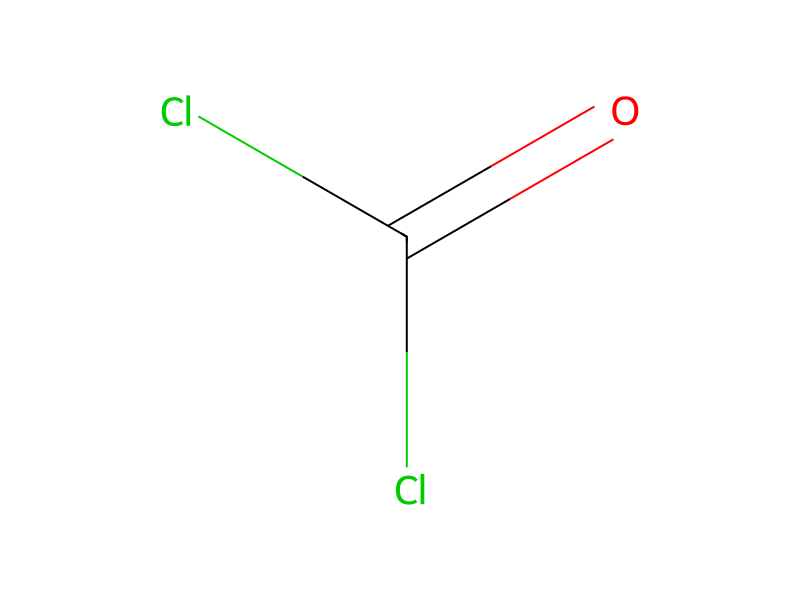


Reaktionsbedingungen
- Temperatur
- 140 °C
Versuchsvorschrift
Fifty parts of 2-(4-chloro-2-fluorophenyl)-1,2,4,5,6,7-hexahydro-3H-indazol-3-one and 26 parts of mixed xylenes were charged to a 3-neck, round-bottomed flask fitted with a mechanical stirrer, dry ice condenser, an addition funnel with a gas inlet and dry ice condenser above it. The mixture was heated to 140° C with agitation under a nitrogen atmosphere. Phosgene was condensed into the addition funnel from a pressurized cylinder, and 20.9 parts of phosgene was added dropwise over several minutes. After 1 hour, the temperature of the reaction mixture was raised to 150° and held there for 2 hours. The solvent was then removed by vacuum distillation and the melted product was poured into a dish and allowed to cool. There was obtained 52.1 parts of 2-(4-chloro-2-fluorophenyl)-3-chloro-4,5,6,7-tetrahydro-2H-indazole, m.p. 72°-80° (70.3% pure as determined by gas chromatography).