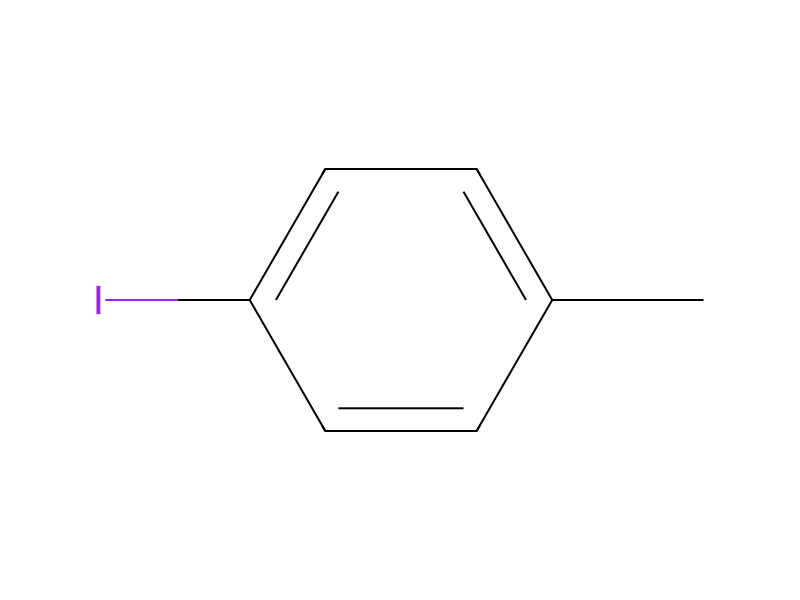
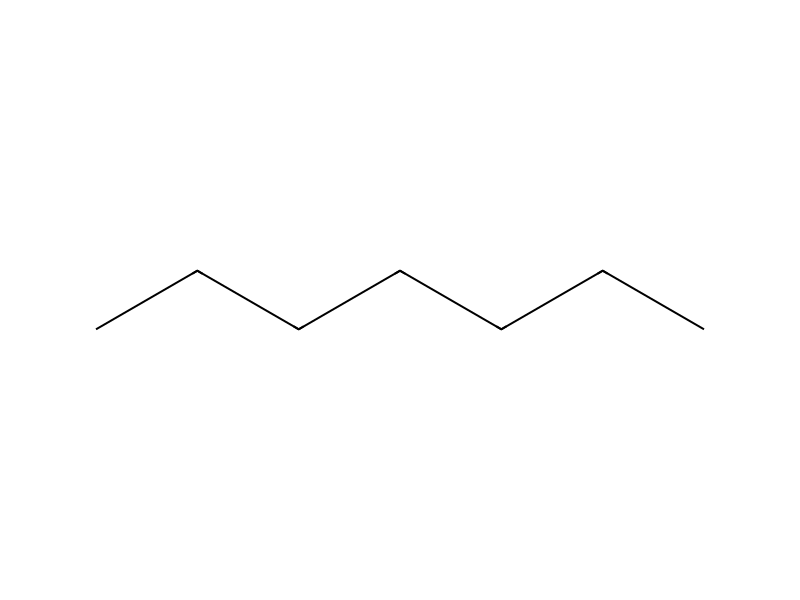
I[C:2]1[CH:7]=[CH:6][C:5]([CH3:8])=[CH:4][CH:3]=1.[Cl:9][C:10]1[CH:16]=[C:15]([F:17])[CH:14]=[C:13]([F:18])[C:11]=1[NH2:12].C(=O)([O-])[O-].[K+].[K+]>C1(C)C(C)=CC=CC=1.CCCCCCC.[Cu]>[Cl:9][C:10]1[CH:16]=[C:15]([F:17])[CH:14]=[C:13]([F:18])[C:11]=1[NH:12][C:2]1[CH:7]=[CH:6][C:5]([CH3:8])=[CH:4][CH:3]=1A mixture of 4-iodotoluene (210 9, 0.96 mol), 2-chloro-4,6-difluoroaniline (204 g, 1.25 mol), copper powder (36 g, 0.57 mol), cuprous iodide (130 g, 0.68 mol), and potassium carbonate (118 g, 0.86 mol) in 500 ml of xylene is stirred vigorously and heated to reflux in a flask fitted with a Dean-Stark trap for 26 hours. After cooling to room temperature, the solids are filtered off, and the filter cake is washed with 100 ml of xylene. The solvents are evaporated under reduced pressure to give an oil which is dissolved in a mixture of 50 g of silica gel in 750 ml of heptane. The solids are filtered off and the solvents are evaporated under reduced pressure to give N-(2′-chloro-4′,6′-difluorophenyl)-4-methylaniline as an oil.