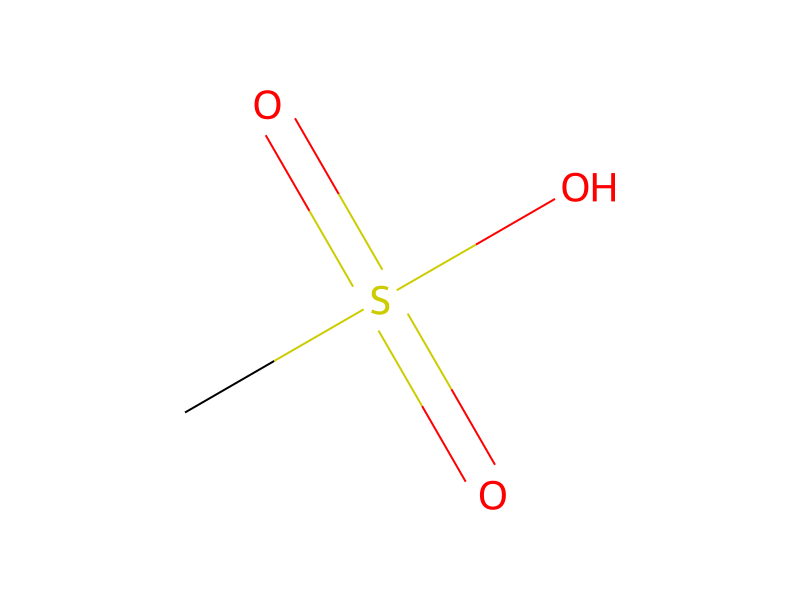
5-bromo-3,3-dimethyl-2,3-dihydro-1H-inden-1-one (1.6 g, 6.7 mmol) was dissolved in DCM (12 mL) and cooled to 0° C. Then MeSO3H (1.83 ml, 28.1 mmol) was added, followed by the portion-wise addition of NaN3 (653 mg, 10.1 mmol) over ˜10 min, while maintaining the internal reaction temperature below 5° C. The reaction was allowed to warm to room temperature and was stirred 3 h under nitrogen. At completion, the reaction was cooled to 0° C. and quenched with 8 M aq. NaOH. After stirring 30 minutes at room temperature, the quenched reaction was partitioned between DCM (50 mL) and water (50 mL). The layers were separated and the aqueous layer was extracted with DCM (2×30 mL). The combined organics were washed with brine (50 mL), dried over Na2SO4, filtered and concentrated. 6-bromo-4,4-dimethyl-3,4-dihydroisoquinolin-1(2H)-one (711 mg, 40% yield) was isolated as a white solid after purification by flash chromatography over silica gel (eluting in 50-100% EtOAc/hexane). 1H NMR (400 MHz, DMSO-d6) δ ppm 8.02 (br. s., 1H), 7.77 (d, J=8.0 Hz, 1H), 7.46-7.64 (m, 2H), 3.16 (d, J=3.0 Hz, 2H), 1.27 (s, 6H); MS (EI) m/z=255.1 [M+1]+.