Methanol → HCID 12143940, Verbindung
Reaktionsgleichung

[Cl:1][C:2]1[CH:7]=[C:6]([CH3:8])[CH:5]=[C:4]([CH3:9])[C:3]=1[N:10]1[CH2:15][CH2:14][CH2:13][CH2:12][C:11]1=[S:16].[C:17](=O)([O:20]C)[O:18][CH3:19].[H-].[Na+].[CH3:25]O>O1CCOCC1>[CH3:19][O:18][C:17]([C:12]1[CH2:13][CH2:14][CH2:15][N:10]([C:3]2[C:4]([CH3:9])=[CH:5][C:6]([CH3:8])=[CH:7][C:2]=2[Cl:1])[C:11]=1[S:16][CH3:25])=[O:20]Komponenten
6
Edukt 4

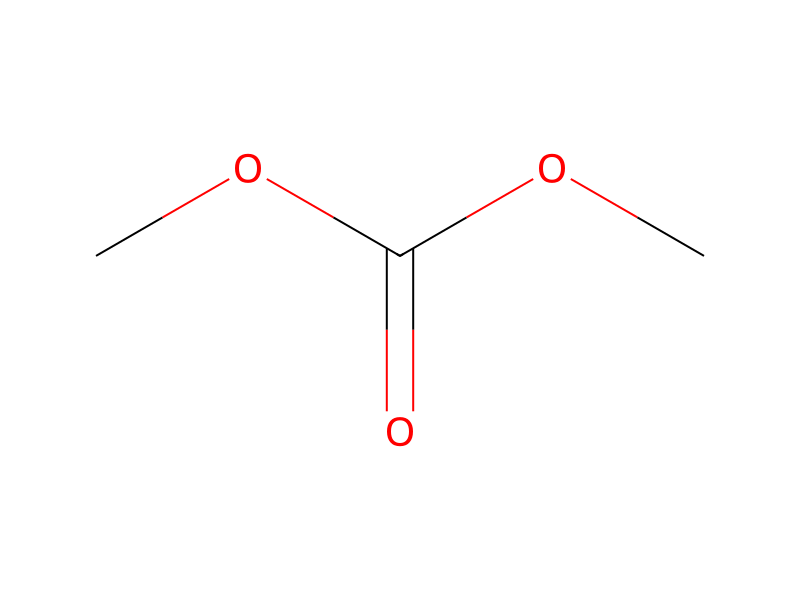


Produkt 1

Reagenzien, Katalysatoren, Lösungsmittel 1

Reaktionsbedingungen
- Temperatur
- 120 °C
Versuchsvorschrift
1-(2-Chloro-4,6-dimethylphenyl)piperidine-2-thione (5.11 g), dimethyl carbonate (17.0 mL), sodium hydride (3.7 g of a 60% dispersion in mineral oil), and methanol (0.5 mL) were combined in 100 mL of dioxane and the mixture was stirred in a 120° C. oil bath for 4 h. After the reaction had cooled to room temperature, it was quenched by the addition of aqueous ammonium chloride, diluted with water and washed twice with ethyl acetate. After drying over magnesium sulfate, the ethyl acetate was concentrated and the residue chromatographed on silica gel using an acetone/hexane gradient to provide 5.00 g 1-(2-chloro-4,6-dimethylphenyl)-2-methylsulfanyl-1,4,5,6-tetrahydropyridine-3-carboxylic acid methyl ester: mp 85.3-87.6° C.
Aufarbeitung
- temperatureAfter the reaction had cooled to room temperature
- customit was quenched by the addition of aqueous ammonium chloride
- additiondiluted with water
- washwashed twice with ethyl acetate
- dry with materialAfter drying over magnesium sulfate
- concentrationthe ethyl acetate was concentrated
- customthe residue chromatographed on silica gel using an acetone/hexane gradient
Quellen und Nachweise
- ORD-Eintrag
- ord-4d7fbf78060f446697e2fe0821d2a78c
- Quelldatensatz
- uspto-grants-2008_10
- Patentnummer
- US07432283B2
Notizen zur Reaktion
Wird geladen…