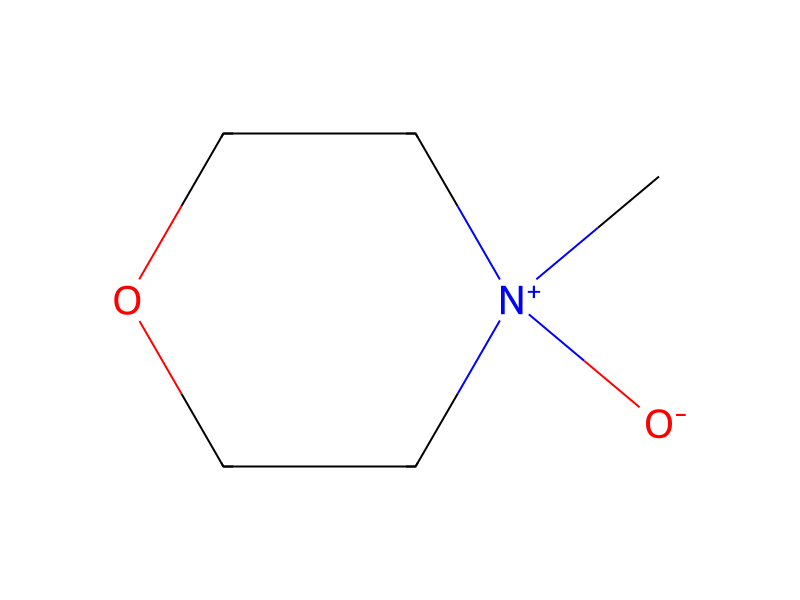
[CH2:1]([C:4]1[C:5]([NH:12][C:13]2[CH:18]=[CH:17][C:16]([Cl:19])=[CH:15][CH:14]=2)=[N:6][C:7]([Cl:11])=[N:8][C:9]=1[Cl:10])[CH:2]=C.C[N+]1([O-])CC[O:24]CC1>ClCCl.[Os](=O)(=O)(=O)=O>[Cl:11][C:7]1[N:8]=[C:9]([Cl:10])[C:4]([CH2:1][CH:2]=[O:24])=[C:5]([NH:12][C:13]2[CH:18]=[CH:17][C:16]([Cl:19])=[CH:15][CH:14]=2)[N:6]=1A solution of the product from step (i) (2 g) in dichloromethane (40 ml) was added to a solution of osmium tetroxide (1 ml, 2.5% wt in isopropylalcohol) and 4-methylmorpholine N-oxide (1.12 g) in dichloromethane (1 ml). After stirring at room temperature for 24 h the mixture was washed with water, aqueous sodium sulphite solution, dried (MgSO4) and evaporated under reduced pressure. The residue was dissolved in methanol (40 ml), cooled to 0° C. and lead tetraacetate (3.85 g) added. After 1 h the mixture was diluted with water, extracted with ethyl acetate, the organics dried (MgSO4) and evaporated under reduced pressure. Yield 2 g