Fumaric Acid → HCID 70605269, Verbindung
Reaktionsgleichung

[C:1]1([C:7]([C:23]2[CH:28]=[CH:27][CH:26]=[CH:25][CH:24]=2)([CH:11]2[CH2:14][N:13](C(C3C=CC=CC=3)C)[CH2:12]2)[C:8]([NH2:10])=[O:9])[CH:6]=[CH:5][CH:4]=[CH:3][CH:2]=1.[C:29]([OH:36])(=[O:35])/[CH:30]=[CH:31]/[C:32]([OH:34])=[O:33]>[OH-].[OH-].[Pd+2].C(O)C>[C:29]([OH:36])(=[O:35])/[CH:30]=[CH:31]/[C:32]([OH:34])=[O:33].[C:1]1([C:7]([CH:11]2[CH2:14][NH:13][CH2:12]2)([C:23]2[CH:24]=[CH:25][CH:26]=[CH:27][CH:28]=2)[C:8]([NH2:10])=[O:9])[CH:2]=[CH:3][CH:4]=[CH:5][CH:6]=1Komponenten
5
Edukt 2
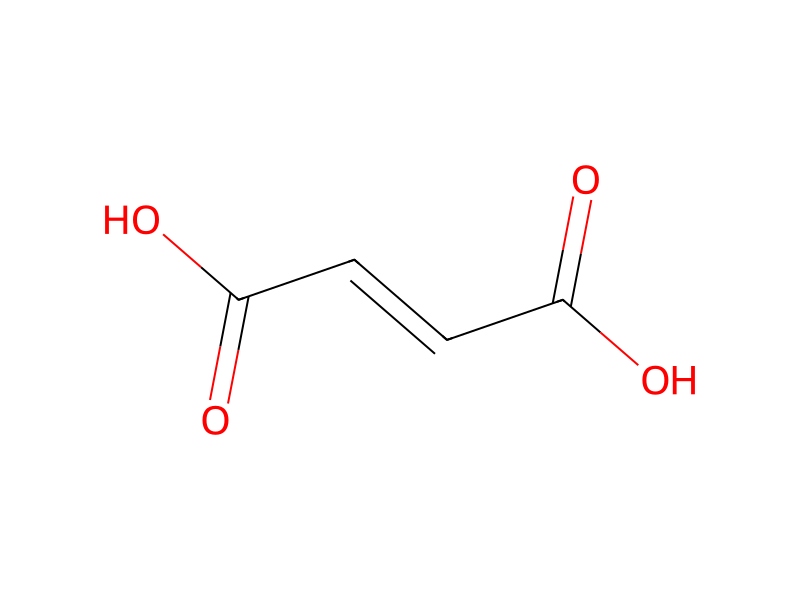

Produkt 1

Reagenzien, Katalysatoren, Lösungsmittel 2


Versuchsvorschrift
To a suspension of 23 g. (0.062 mole) of α,α-diphenyl-α-[1-(1-phenylethyl)-3-azetidinyl]acetamide in 150 ml. of ethanol solution was added 1.5 g. of 10% palladium hydroxide on carbon. The mixture was hydrogenated at 70° C. and an initial pressure of 45 p.s.i. for 18 hours and filtered. The filtrate was concentrated and the residue dissolved in 150 ml. of isopropyl alcohol. To this was added 7.2 g. (0.062 mole) of fumaric acid. The resulting crystals were recrystallized three times from ethanol to give 3 g. (13%) of product melting at 171°-173° C.