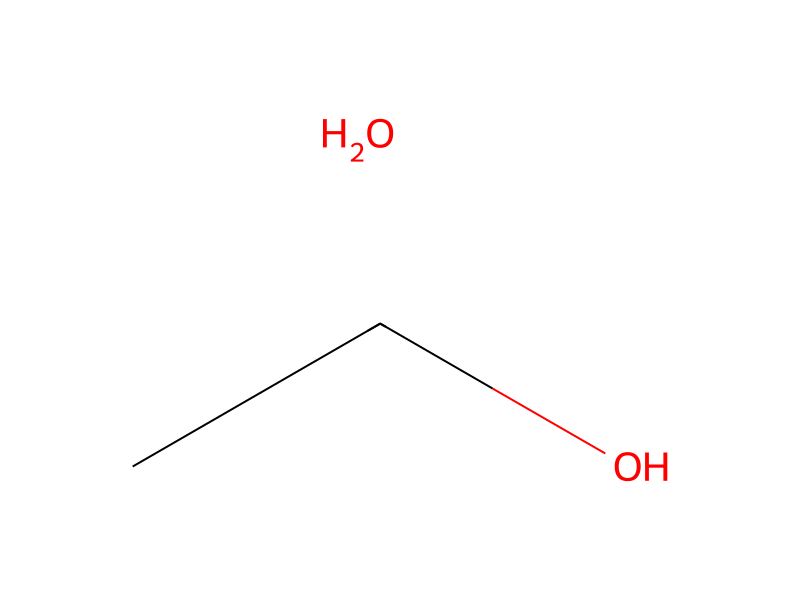
[CH3:1][N:2]1[C:10]2[N:9]=[CH:8][N:7]([CH2:11][CH2:12][CH3:13])[C:6]=2[C:5](=[O:14])[NH:4][C:3]1=[O:15].[Na].[CH3:17][O:18][C:19]1[CH:30]=[CH:29][C:22]([O:23][CH2:24][CH2:25][CH2:26][CH2:27]Br)=[CH:21][CH:20]=1.[OH-].[Na+]>C(O)C.O>[CH3:17][O:18][C:19]1[CH:30]=[CH:29][C:22]([O:23][CH2:24][CH2:25][CH2:26][CH2:27][N:4]2[C:5](=[O:14])[C:6]3[N:7]([CH2:11][CH2:12][CH3:13])[CH:8]=[N:9][C:10]=3[N:2]([CH3:1])[C:3]2=[O:15])=[CH:21][CH:20]=13-Methyl-7-propylxanthine (10.4 g) was dissolved in 200 ml of an ethanol/water (3:2 (v/v)) mixed solution containing 2.2 g of sodium hyddroxide and 15.5 g of 4-(4-methoxyphenoxy)butylbromide was added to the solution. The mixture was then refluxed at elevated temperatures for 12 hours. The reaction mixture was concentrated under reduced pressure to give the residual liquid which in turn was alkalized with 1N-sodium hydroxide solution and then extracted with chloroform. The extract was dried and concentrated under reduced pressure to dryness. The residue was then subjected to silica gel column chromatography using a chloroform/ethanol (40:1 (v/v)) eluent to yield 12.5 g (65%) of 1-[4-(4-methoxyphenoxy)butyl]-3-methyl-7-propylxanthine.