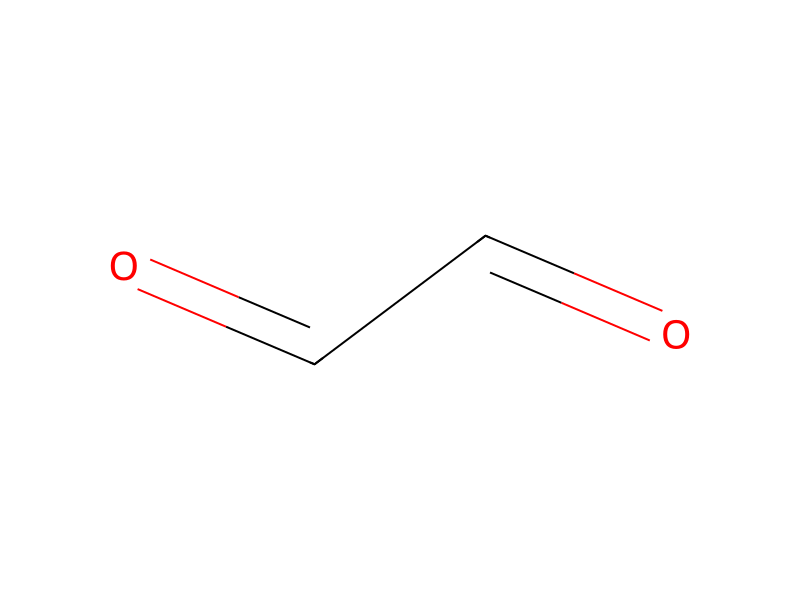
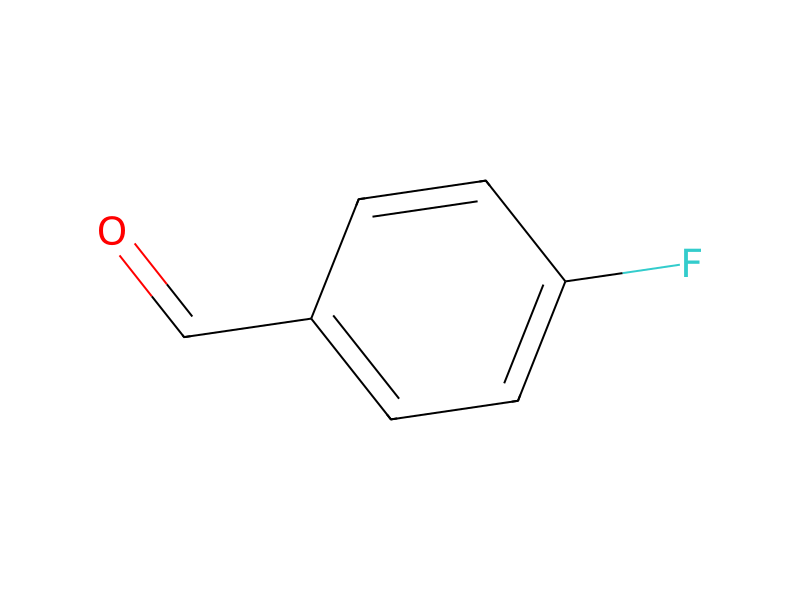
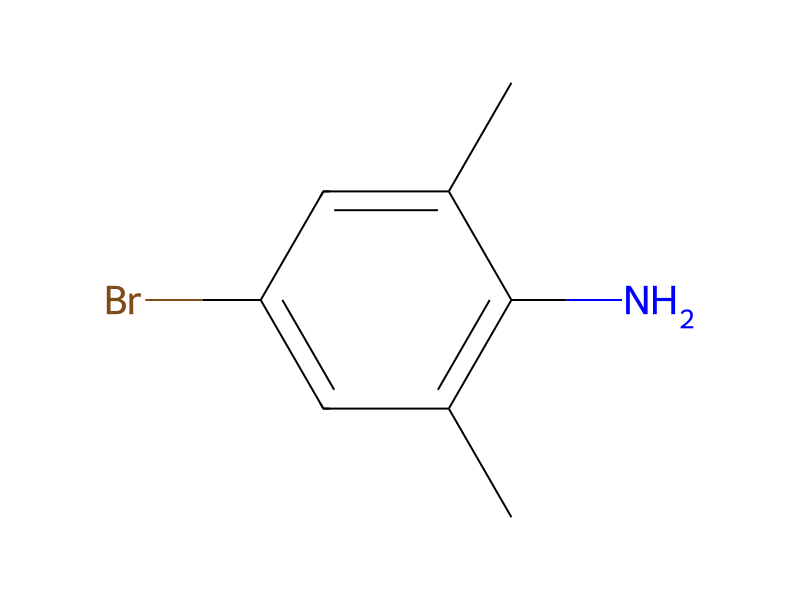
55.0 g (275 mmol) 4-bromo-2,6-dimethylaniline and 39.0 g glyoxal (40% solution, 275 mmol) were stirred in 500 mL methanol in a 1 L round bottom flask for 16 hours. 68.3 g 4-fluorobenzaldehyde (550 mmol) and 29.4 g (550 mmol) ammonium chloride were then added and the mixture was allowed to achieve reflux for 2 hours. 38.5 mL phosphoric acid (85%) was added dropwise over 10 minutes and the mixture continued at reflux for 18 hours. The mixture was then evaporated of methanol and the residue poured into 700 mL water. 50% NaOH was added until the pH=9 and the mixture then extracted three times with ethyl acetate in a separatory funnel. The combined organic layers were dried over anhydrous MgSO4, filtered and evaporated of solvent to give a dark residue. The ligand was purified on a large column of silica using a gradient of 20% ethyl acetate/hexanes-30% ethyl acetate/hexanes. The product fractions were evaporated of solvent and the residue distilled via kugelrohr distillation. The resultant product was recrystallized from hexanes to give 12.5 g N-(4-bromo-2,6-dimethylphenyl)-2-(4-fluorophenyl)imidazole as a clean white solid. MS confirmed.