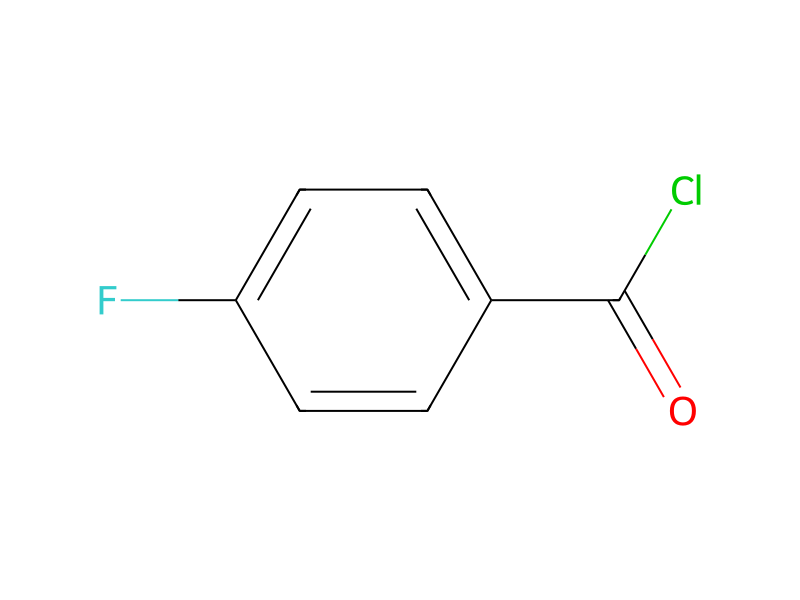
[CH:1]1[C:6]2=[C:7]3[C:15](=[CH:16][CH:17]=[C:5]2[CH:4]=[CH:3][CH:2]=1)[C:14]1[C:9](=[CH:10][CH:11]=[CH:12][CH:13]=1)[NH:8]3.[Al+3].[Cl-].[Cl-].[Cl-].[F:22][C:23]1[CH:31]=[CH:30][C:26]([C:27](Cl)=[O:28])=[CH:25][CH:24]=1>C(Cl)Cl>[CH2:17]([CH:5]([CH2:4][CH2:3][CH2:2][CH3:1])[CH2:6][N:8]1[C:7]2[C:15](=[CH:16][C:17]([C:27]([C:26]3[CH:30]=[CH:31][C:23]([F:22])=[CH:24][CH:25]=3)=[O:28])=[C:5]3[CH:4]=[CH:3][CH:2]=[CH:1][C:6]3=2)[C:14]2[C:9]1=[CH:10][CH:11]=[CH:12][CH:13]=2)[CH3:16]To 11H-benzo[a]carbazole (8.24 g, 25.0 mmol) in CH2Cl2 (80 ml) are added AlCl3 (3.33 g, 25.0 mmol) and 4-fluorobenzoyl chloride (4.04 g, 25.5 mmol) at 0° C. After stirring at room temperature for 4 hours, the reaction mixture is poured into ice-water. The crude product is extracted with CH2Cl2, and washed with water and brine. After drying over MgSO4 and concentration, the crude product is purified by column chromatography on silica gel eluting with a mixed solvent of CH2Cl2 and n-hexane (1:9) to obtain a yellow solid (4.96 g, 44%). The structure is confirmed by 1H-NMR spectrum (CDCl3). δ [ppm]: 0.82-0.91 (m), 1.18-1.47 (m), 2.21-2.30 (m), 4.67-4.78 (m), 7.16 (t), 7.30 (t), 7.50 (t), 7.55-7.59 (m), 7.63-7.67 (m), 7.96-8.00 (m), 8.05 (d), 8.31 (s), 8.51 (d), 8.63 (d); 19F-NMR spectrum (CDCl3). δ [ppm] −105.89.
Wird geladen…