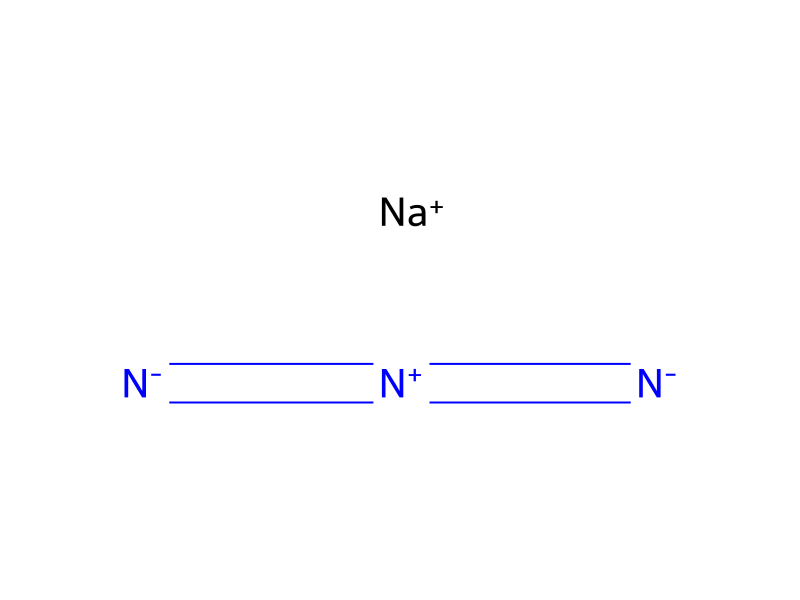
[C:1]([CH:3]1[CH2:7][CH2:6][N:5]([C:8]([O:10][CH2:11][C:12]2[CH:17]=[CH:16][CH:15]=[CH:14][CH:13]=2)=[O:9])[CH2:4]1)#[N:2].[N-:18]=[N+:19]=[N-:20].[Na+].C(Cl)Cl.C(O)(=O)C1C(=CC=CC=1)O>C1(C)C=CC=CC=1>[NH:18]1[C:1]([CH:3]2[CH2:7][CH2:6][N:5]([C:8]([O:10][CH2:11][C:12]3[CH:17]=[CH:16][CH:15]=[CH:14][CH:13]=3)=[O:9])[CH2:4]2)=[N:2][N:20]=[N:19]1To a solution of benzyl 3-cyanopyrrolidine-1-carboxylate (1.0 g) and TEA hydrochloride (2.99 g) in toluene was added sodium azide (1.41 g) at 25° C., followed by stirring at 115° C. for 5 hours. The reaction liquid was left to be cooled and DCM (10 mL) was added thereto. Then, to a 5% aqueous salicylic acid solution (100 mL) was added dropwise the reaction liquid, followed by stirring at 25° C. for 1 hour. The reaction liquid was extracted with EtOAc (30 mL) three times. The organic layer was washed with brine, dried over MgSO4, and then concentrated under reduced pressure. The residue was purified by silica gel column chromatography (automatic purification device, hexane:EtOAc=100:0 to 80:20) to obtain benzyl 3-(1H-tetrazol-5-yl)pyrrolidine-1-carboxylate (10.8 g) as a colorless liquid.