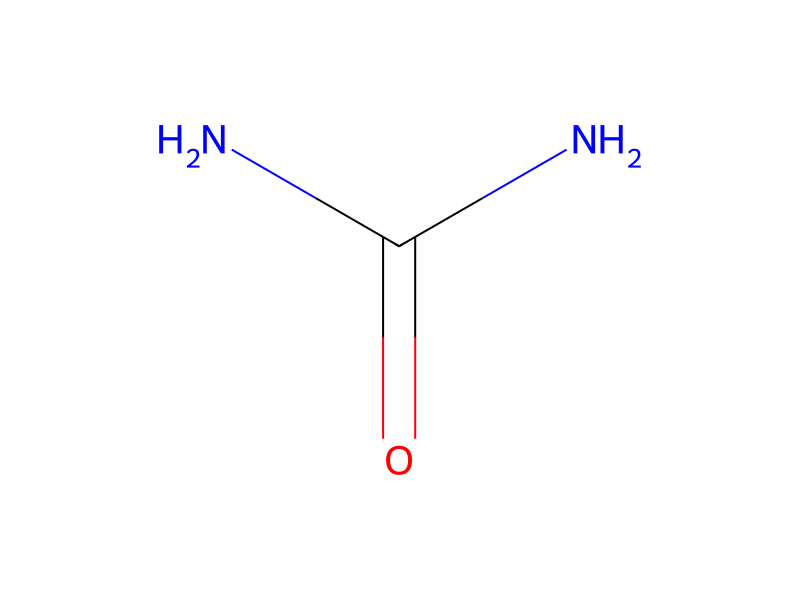
[Cl:1][C:2]1[CH:7]=[CH:6][C:5]([CH2:8][C:9]([C:11]2[CH:16]=[CH:15][CH:14]=[CH:13][CH:12]=2)=O)=[CH:4][CH:3]=1.[CH2:17]([O:19][C:20]1[CH:21]=[C:22]([CH:25]=[C:26]([N+:29]([O-:31])=[O:30])[C:27]=1[OH:28])[CH:23]=O)[CH3:18].[NH2:32][C:33]([NH2:35])=[O:34].Cl>CCO.CO.CCOC(C)=O>[Cl:1][C:2]1[CH:7]=[CH:6][C:5]([C:8]2[CH:23]([C:22]3[CH:25]=[C:26]([N+:29]([O-:31])=[O:30])[C:27]([OH:28])=[C:20]([O:19][CH2:17][CH3:18])[CH:21]=3)[NH:32][C:33](=[O:34])[NH:35][C:9]=2[C:11]2[CH:16]=[CH:15][CH:14]=[CH:13][CH:12]=2)=[CH:4][CH:3]=1To a mixture of 2-(4-chlorophenyl)-1-phenylethanone (200 mg, 0.88 mmol), 3-ethoxy-4-hydroxy-5-nitrobenzaldehyde (200 mg, 0.95 mmol), and urea (156 mg, 2.65 mmol) in anhydrous EtOH (20 mL) was added concentrated HCl solution (0.1 mL), and the reaction mixture was refluxed for three days. When TLC (EtOAc:MeOH=10:1) showed that about 50% of starting materials were consumed, the reaction mixture was concentrated, and the residue was purified by column chromatography (EtOAc:MeOH=40:1) and preparative HPLC to afford Compound 27 as a yellow solid (25 mg, yield: 6.25%). 1H NMR (DMSO-d6 400 MHz TMS): δ 10.30 (s, 1H), 8.81 (s, 1H), 7.60 (s, 1H), 7.45 (s, 1H), 7.25-7.30 (m, 3H), 7.17-7.24 (m, 3H), 7.10 (d, J=8.8 Hz, 2H), 6.80 (d, J=8.4 Hz, 2H), 5.20 (d, J=2.8 Hz, 1H), 4.00-4.11 (m, 2H), 1.33 (t, J=6.8 Hz, 3H); MS (ESI): m/z 466.0 [M+1]+.