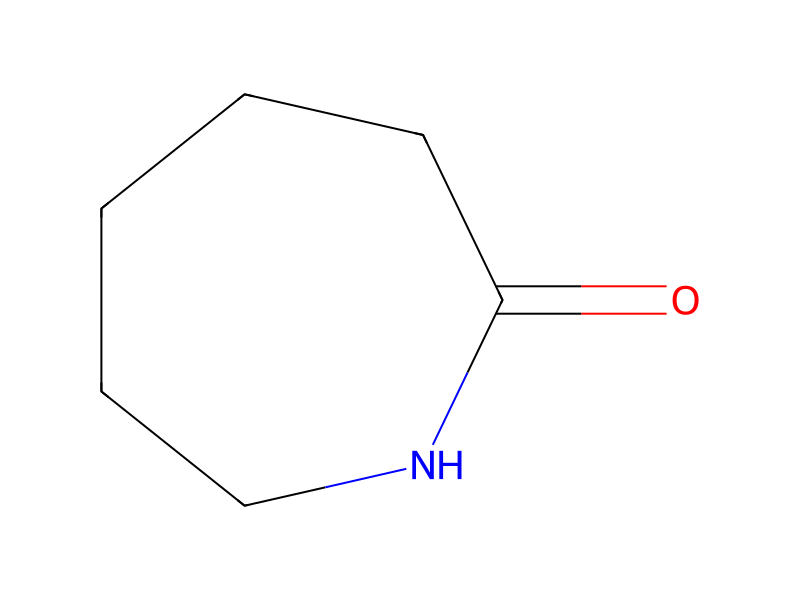
To a suspension of 77.9 g (524.1 mmol) of 2H-azepin-7-amine, 3,4,5,6-tetrahydro, monohydrochloride (synthesis as described in WO96/14844 or Journal of Medicinal Chemistry (1998), 41(9), 1361-1366 or by analogy with the method described in example 1, step 1.1. and 1.2 using ε-caprolactam instead of (+/−)-3-phthalimidopiperidin-2-one) in 390 mL of ethanol was added 72.4 g (524.1 mmol) of potassium carbonate. The reaction mixture was stirred at room temperature for 10 min, 101.7 g (524.1 mmol) of ethyl 3-(4-pyrimidinyl)-3-oxopropionate was added and the resulting mixture was stirred under reflux for 16 h. The cooled solution was evaporated to remove solvent. The mixture was dissolved in dichloromethane, washed with a saturated aqueous solution of sodium chloride, dried over sodium sulfate and evaporated to dryness. The residue was filtrate through a pad of silica, rinsing with dichloromethane and then ethyl acetate. After evaporation, the resulting solid was triturated with diethyl ether to afford 36.4 g (28%) of pure product as a white-brown powder.