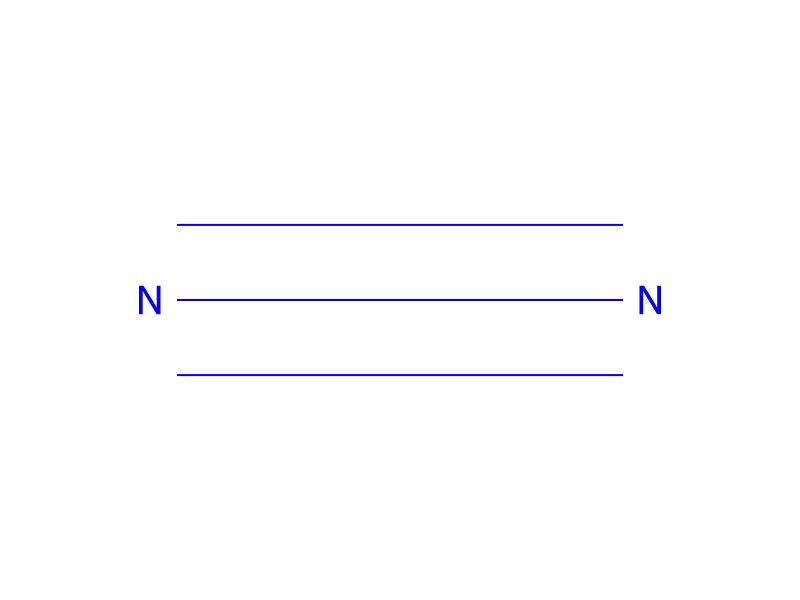
Br[C:2]1[CH:7]=[CH:6][C:5]([CH2:8][O:9][Si:10]([C:13]([CH3:16])([CH3:15])[CH3:14])([CH3:12])[CH3:11])=[CH:4][N:3]=1.[CH:17]([Sn](CCCC)(CCCC)CCCC)=[CH2:18].N#N>O1CCOCC1.Cl[Pd](Cl)([P](C1C=CC=CC=1)(C1C=CC=CC=1)C1C=CC=CC=1)[P](C1C=CC=CC=1)(C1C=CC=CC=1)C1C=CC=CC=1>[Si:10]([O:9][CH2:8][C:5]1[CH:6]=[CH:7][C:2]([CH:17]=[CH2:18])=[N:3][CH:4]=1)([C:13]([CH3:16])([CH3:15])[CH3:14])([CH3:12])[CH3:11]A solution of 2-bromo-5-(tert-butyldimethylsilyloxymethyl)pyridine (1.0 g, 3.3 mmol) and vinyltributylstannane (2.09 g, 6.6 mmol) in 1,4-dioxane (30 ml) was degassed with a stream of N2 for 15 min and then Pd(PPh3)2Cl2 (116 mg, 5 mol %) was added and the reaction mixture heated at reflux under N2 for 20 h. After cooling to room temperature, the solvent were removed under reduced pressure and the mixture was azeotroped with xylene (2×10 ml). The residue was purified by column chromatography on silica using 20% EtOAc/iso-hexanes as eluent to yield the desired vinylpyridine (690 mg, 84%). 1H NMR (400 MHz, CDCl3) δ 8.40 (1H, s), 7.51 (1H, d, J=8.0 Hz), 7.21 (1H, d, J=8.0 Hz), 6.71 (1H, dd, J=17.5, 10.8 Hz), 6.06 (1H, d, J=17.5 Hz), 5.34 (1H, d, J=10.8 Hz), 4.64 (2H, s), 0.81 (9H, s), 0.00 (6H, s). m/z (ES+) 250 (M+H+).