Hydrazine → Tert-butyl 1-(4-chlorophenyl)-2-hydrazinyl-2-oxoethylcarbamate
HRID 2192429
Reaktionsgleichung

[C:1]([O:5][C:6]([NH:8][CH:9]([C:13]1[CH:18]=[CH:17][C:16]([Cl:19])=[CH:15][CH:14]=1)[C:10](O)=[O:11])=[O:7])([CH3:4])([CH3:3])[CH3:2].[NH2:20][NH2:21]>C(Cl)Cl>[Cl:19][C:16]1[CH:17]=[CH:18][C:13]([CH:9]([NH:8][C:6](=[O:7])[O:5][C:1]([CH3:4])([CH3:3])[CH3:2])[C:10]([NH:20][NH2:21])=[O:11])=[CH:14][CH:15]=1Komponenten
4
Edukt 2
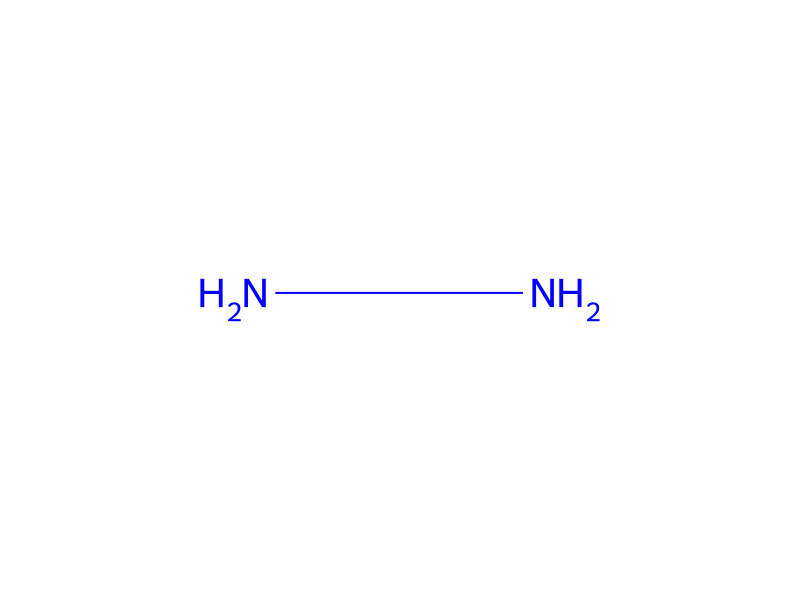

Produkt 1

Reagenzien, Katalysatoren, Lösungsmittel 1

Versuchsvorschrift
1,1-Carbonyldiimidazole (1.60 g, 9.89 mmol) was added to a solution of 2-(tert-butoxycarbonylamino)-2-(4-chlorophenyl)acetic acid (2.57 g, 9.00 mmol) in CH2Cl2 (22.5 mL, 9.00 mmol), and the mixture was stirred for 30 minutes until gas evolution ceased. Hydrazine (0.367 mL, 11.7 mmol) was then added to this solution, and the mixture was stirred at room temperature for 12 hours. The reaction mixture was diluted with CH2Cl2 and washed with NaHCO3 (10%). The organic layer was dried (Na2SO4) and concentrated. The residue was purified by reversed-phase chromatography (Biotage SP4, 40+M, C18, 25% to 100% MeCN/H2O). Fractions containing product were poured into a separatory funnel and extracted with ethyl acetate (3×). The combined organic layers were dried and concentrated to give tert-butyl 1-(4-chlorophenyl)-2-hydrazinyl-2-oxoethylcarbamate as a solid (1.95 g, 72%). LCMS (APCI+) M+H+: 299 (5%); M+H+-Boc: 199 (100%); rt=2.78 minutes. 1H NMR (400 MHz, CDCl3) δ 7.73 (s, 1H), 7.30 (s, 4H), 5.85 (d, J=6.6 Hz, 1H), 5.21 (s, 1H), 3.87 (s, 2H), 1.42 (s, 9H).