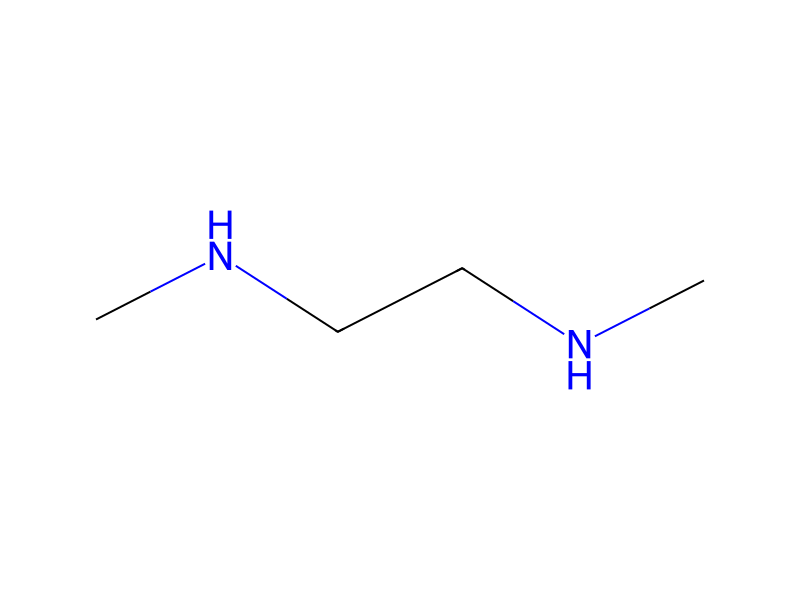
A mixture of 4-((4-chlorobenzyl)oxy)pyridin-2(1H)-one (10 g), 5-bromo-N-methyl-2-nitroaniline (9.80 g), N,N′-dimethylethylenediamine (4.76 ml), copper iodide (8.08 g), potassium carbonate (17.59 g) and DMSO (200 ml) was heated at 150° C. for 2 h. The mixture was poured into 28% NH3 solution. The resulting precipitate was collected and washed with IPA. The solid was dissolved in DMSO (100 ml) at 80° C., and allowed to cool to room temperature to give a precipitate. After filtration, the precipitate was washed with IPA and dried to give the title compound (12 g) as a yellow solid.