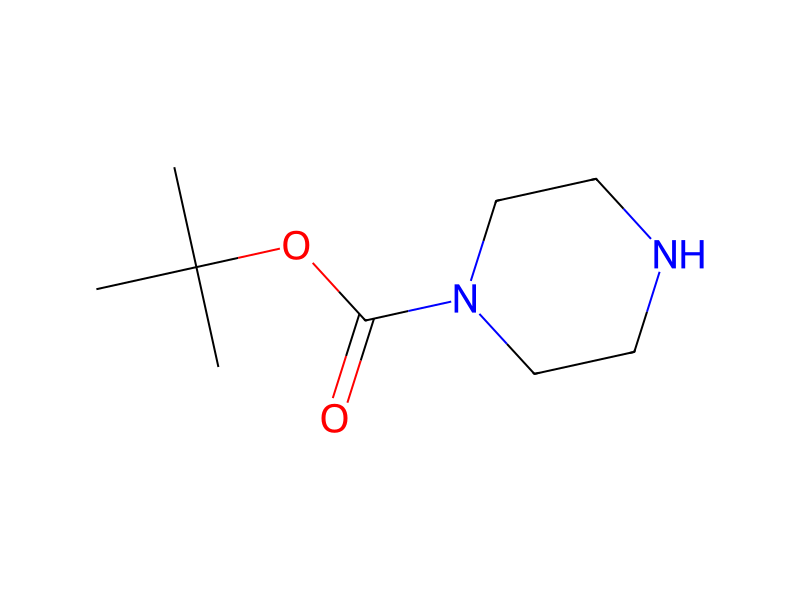
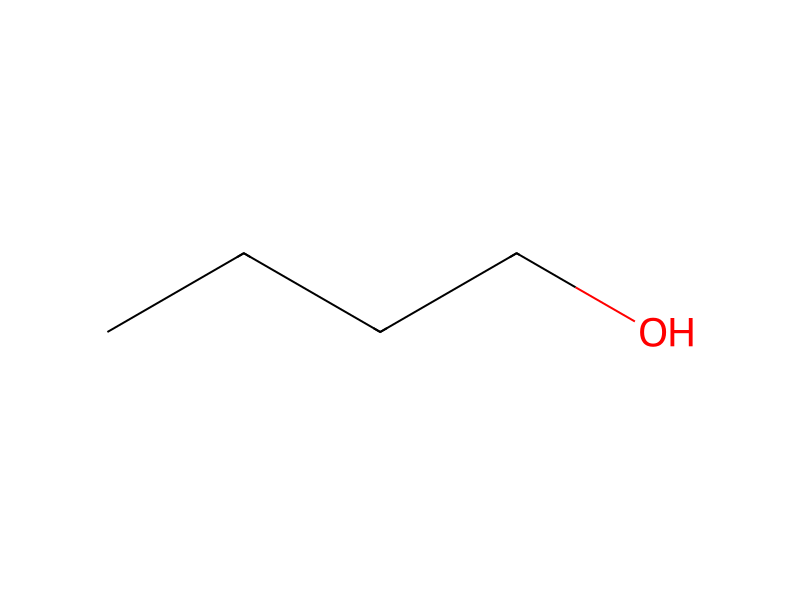
Cl[C:2]1[CH:7]=[CH:6][CH:5]=[C:4]([OH:8])[N:3]=1.[N:9]1([C:15]([O:17][C:18]([CH3:21])([CH3:20])[CH3:19])=[O:16])[CH2:14][CH2:13][NH:12][CH2:11][CH2:10]1>CCCCO>[OH:8][C:4]1[N:3]=[C:2]([N:12]2[CH2:11][CH2:10][N:9]([C:15]([O:17][C:18]([CH3:21])([CH3:20])[CH3:19])=[O:16])[CH2:14][CH2:13]2)[CH:7]=[CH:6][CH:5]=1To 2-chloro-6-hydroxypyridine (12.3 g, 94 mmol) in n-BuOH (50 mL) was added t-butyl piperazine-1-carboxylate (46.0 g, 235 mmol). The mixture was heated at 140° C. for 3 days. The reaction mixture was extracted with ethyl acetate (1.5 L) and washed with saturated NH4Cl solution and then brine. The organic layer was separated, dried over MgSO4, and concentrated under reduced pressure. The resulting solid was dissolved by CH3CN (100 mL) and precipitated by adding water (1 L). The precipitate was filtered, washed with water and ether. The organic layer of the filtrate was separated and concentrated under reduced pressure. The residue was purified by column chromatography (50%-100% EtOAc/hexanes). A total of 18.7 g (71%) of t-butyl 4-(6-hydroxypyridin-2-yl)piperazine-1-carboxylate was obtained as a white solid. MS m/z 280.2 [M+H]+; 1H NMR (500 MHz, CDCl3) δ (ppm) 7.40 (1H, m), 6.04 (1H, d, J=8.8 Hz), 5.64 (1H, d, J=7.2 Hz), 3.62 (4H, m), 3.36 (4H, m), 1.51 (9H, s).