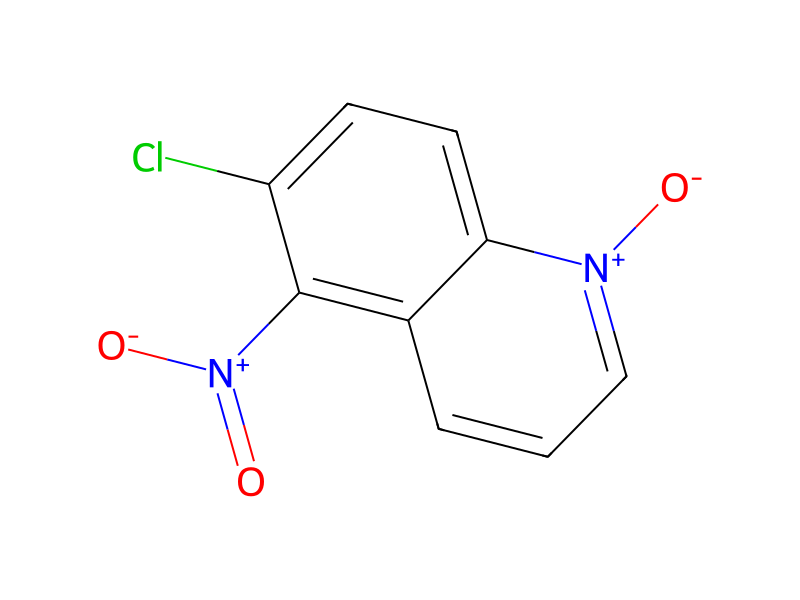
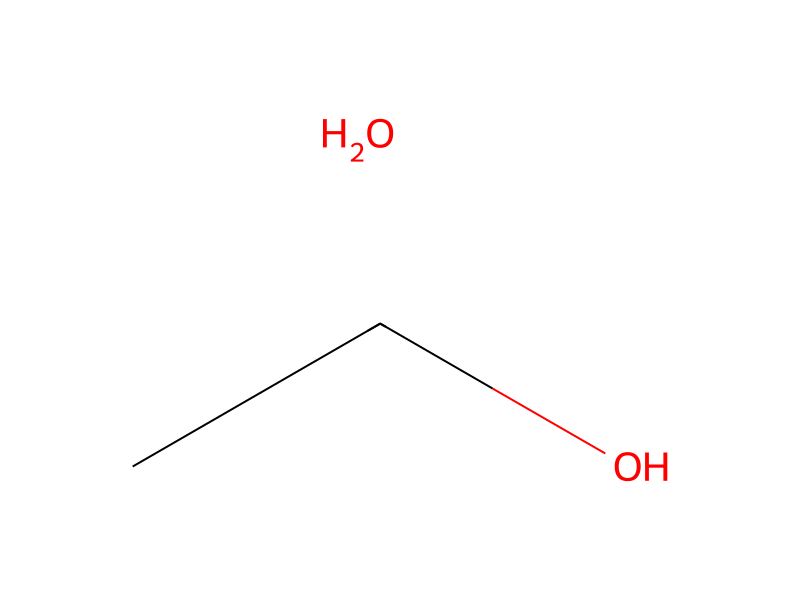
6-Chloro-5-nitroquinoline 1-oxide (4 g) was added to phosphorus oxychloride (15 mL) at 0° C. The solution was allowed to warm to room temperature and stirred for 12 hours. The excess phosphorus oxychloride was evaporated in vacuo and the residue dissolved in water (100 mL)/dichloromethane (100 mL). The layers were separated and the aqueous layer extracted with dichloromethane (2×50 mL). The combined extracts were dried over anhydrous magnesium sulfate, filtered and concentrated to give an oil. The residue was dissolved in ethanol/water (1:1, 80 mL), ammonium chloride (2.8 g) and iron (2.8 g) added. The mixture was stirred at 65° C. for 4 hours, cooled to room temperature and filtered. The resulting solid was suspended in dimethylsulfoxide (50 mL), methanol (50 mL) and aqueous hydrochloric acid added (2M, 100 mL). The resulting solid was removed by filtration and then treated with ether (50 mL) and isohexane (50 mL). Evaporation of the mixture afforded the sub-title compound as a solid (1 g).