Econazole → HCID 69177562, Verbindung
HRID 2218940
Reaktionsgleichung

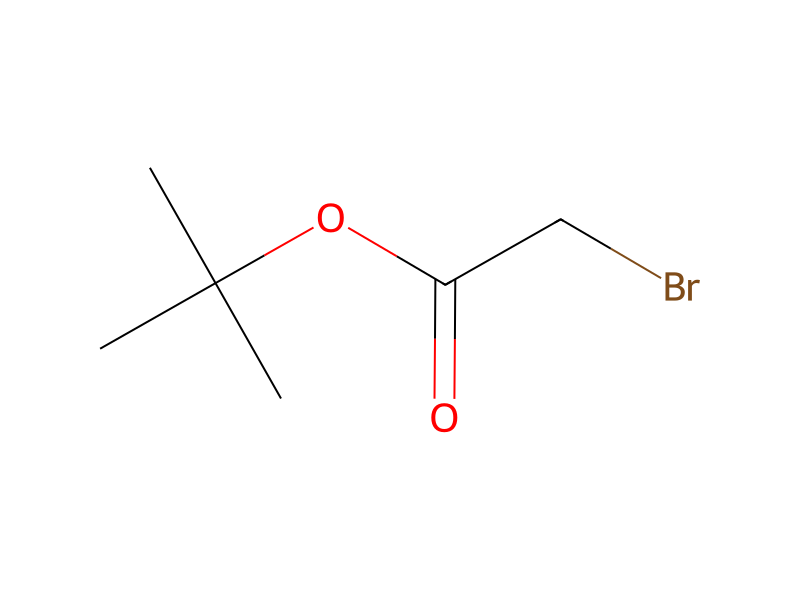
[Cl:1][C:2]1[CH:24]=[CH:23][C:5]([CH2:6][O:7][CH:8]([C:15]2[CH:20]=[CH:19][C:18]([Cl:21])=[CH:17][C:16]=2[Cl:22])[CH2:9][N:10]2[CH:14]=[CH:13][N:12]=[CH:11]2)=[CH:4][CH:3]=1.Br[CH2:26][C:27]([O:29][C:30]([CH3:33])([CH3:32])[CH3:31])=[O:28]>C(#N)C>[C:30]([O:29][C:27](=[O:28])[CH2:26][N:12]1[CH:13]=[CH:14][N:10]([CH2:9][CH:8]([O:7][CH2:6][C:5]2[CH:4]=[CH:3][C:2]([Cl:1])=[CH:24][CH:23]=2)[C:15]2[CH:20]=[CH:19][C:18]([Cl:21])=[CH:17][C:16]=2[Cl:22])[CH2:11]1)([CH3:33])([CH3:32])[CH3:31]Komponenten
4
Edukt 2

Produkt 1

Reagenzien, Katalysatoren, Lösungsmittel 1

Versuchsvorschrift
1-[2-(4-chloro-benzyloxy)-2-(2,4-dichloro-phenyl)-ethyl]-1H-imidazole (1 g, 2.25 mmol) and tert-butyl bromoacetate (1 ml, 6.8 mmol) were dissolved in 15 ml acetonitrile and heated to reflux overnight. TLC showed full conversion of the starting material. The solvent was cooled, evaporated in vacuo, and the residual oil was dissolved in chloroform and triturated with ether. The product was identified by Maldi mass spectrometry, and used in the next step without further purification.