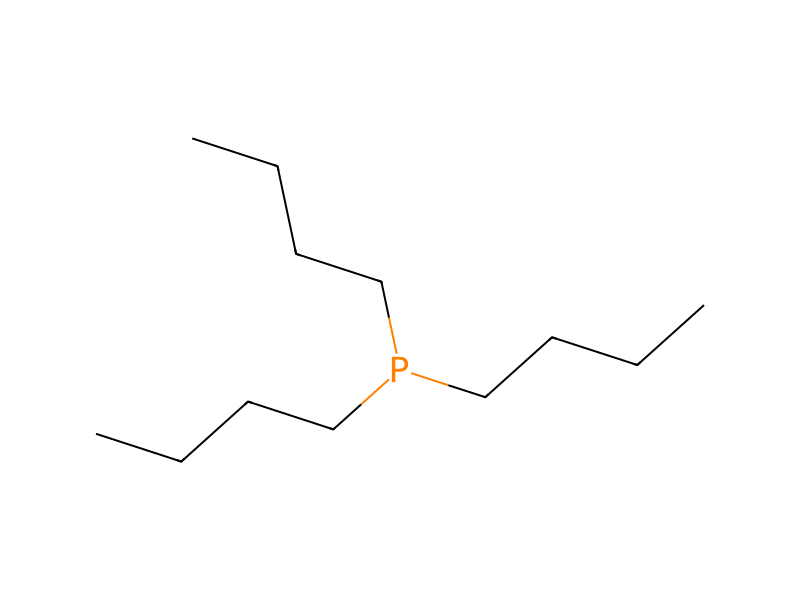
To an argon-blanketed solution of phenylacetic acid (69 mg, 0.51 mmol) in acetonitrile (3 mL) was added bis(trimethylsilyltrifluoroacetamide) (BSTFA, 400 μL, 1.51 mmol) via syringe. The mixture was stirred for 30 min. after which time solvent, unreacted starting material and the reaction by-products were removed at high vacuum. The colorless residue was redissolved in toluene (5 mL) and phenethyl azide (58 mg, 0.39 mmol) then freshly-distilled tri-n-butylphosphine (98 μL, 0.39 mmol) were added via syringe. While nitrogen evolution was still progressing, p-nitrophenol (55 mg, 0.40 mmol) was added in one portion, imparting a bright yellow color to the solution. The reaction was stirred at 65° C. for 48 h. The reaction mixture was partitioned between satd Na2CO3 solution and ethyl acetate. The organic layer was dried over sodium sulfate, filtered and concentrated in vacuo to give a yellow oil that was purified by flash chromatography (1:1 EtOAc/hexane) to yield 91 mg (98%) of the title compound as a white powder (mp 91-92° C., lit. mp 91-93° C.). Spectral data were identical to those reported in the literature.