2-Hydroxyethyl acrylate → Urethane acrylate
Reaktionsgleichung

[N-:1]=[C:2]=[O:3].[N-]=C=O.[O:7]=[C:8]1CC(C)(C)CC(C)=[CH:9]1.FC(F)(F)C(C1CCC(O)CC1)(C1CCC(O)CC1)C(F)(F)F.[C:40]([O:44]CCO)(=[O:43])[CH:41]=[CH2:42]>CC(C)=O.C([O-])(=O)CCCCCCCCCCC.C([O-])(=O)CCCCCCCCCCC.C([Sn+2]CCCC)CCC.COC1C=CC(O)=CC=1>[C:40]([OH:44])(=[O:43])[CH:41]=[CH2:42].[NH2:1][C:2]([O:7][CH2:8][CH3:9])=[O:3]Komponenten
Edukt 3


Produkt 1

Reagenzien, Katalysatoren, Lösungsmittel 3


Versuchsvorschrift
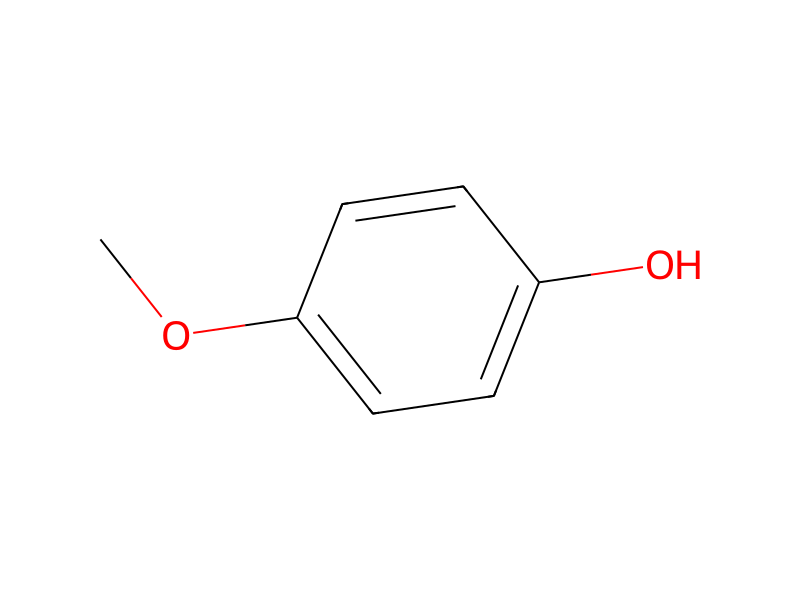
In 300 g of acetone were dissolved 46.2 g of isophoronediisocyanate, 70.3 g of 4,4'-(perfluoroisopropylidene)dicyclohexanol and 0.8 g of di-n-butyltin dilaurate. The mixture was reacted at 54° to 56° C. for 15 hours with stirring while introducing dry nitrogen. To the mixture were added 10 g of 2-hydroxyethyl acrylate, 0.4 g of di-n-butyltin dilaurate and 0.1 g of hydroquinone monomethyl ether and the mixture was reacted at 54° to 56° C. for 16 hours. A few drops of the reaction mixture were placed on KBr plate. The plate was dried and subjected to infrared absorption spectrum analysis to find an absorption based on isocyanate group (2250 cm-1) disappeared. The reaction mixture was poured into a large excess amount of hexane and the resulting precipitates were filtered, dried and pulverized to obtain 114 g of urethane acrylate in the form of white powder.
Aufarbeitung
- customThe mixture was reacted at 54° to 56° C. for 15 hours
- additionwhile introducing dry nitrogen
- customthe mixture was reacted at 54° to 56° C. for 16 hours
- customThe plate was dried
- customan absorption
- additionThe reaction mixture was poured into a large excess amount of hexane
- customthe resulting precipitates
- filtrationwere filtered
- customdried
Quellen und Nachweise
- ORD-Eintrag
- ord-e0176e71a351451480f0d2f604d40f58
- Quelldatensatz
- uspto-grants-1988_11
- Patentnummer
- US04788327
Notizen zur Reaktion
Wird geladen…