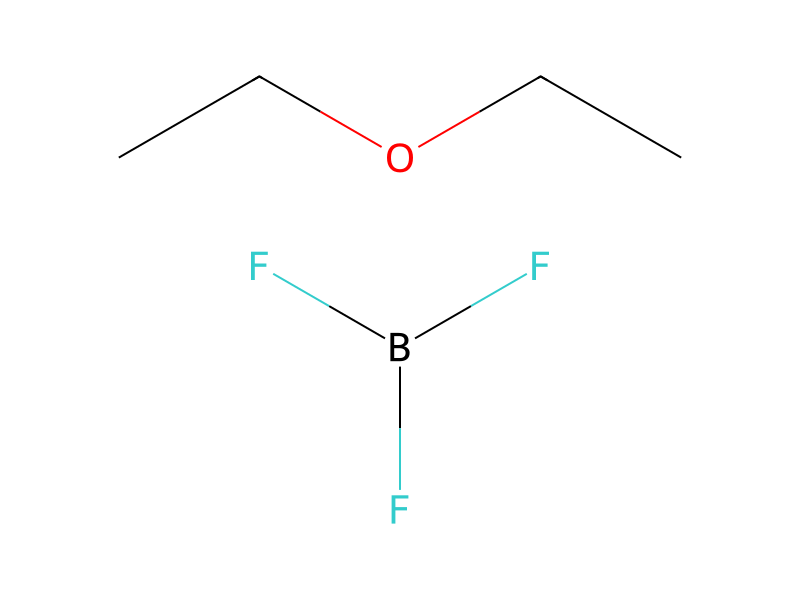
To a flame-dried flask containing a near-solution of 324 mg of 4-hydroxycoumarin and 573 mg of 1-(4-bromophenyl)-2-methylpropan-1-ol of Preparation 14 in 10 mL of dioxane under an argon atmosphere is added 1.2 mL of boron trifluoride etherate. The resulting yellow solution is left to stir at room temperature overnight. The volatiles are removed and the residue is partioned between diethyl ether and 1N sodium hydroxide. The basic aqueous phase is washed with diethyl ether and acidified to pH=1 with 6N hydrochloric acid. The resulting precipitant is repeatedly extracted with dichloromethane (methanol-chloroform co-solvents). The combined dichloromethane extracts are washed once with dilute sodium bicarbonate to remove most of the unreacted 4-hydroxycoumarin, then brine, dried (magnesium sulfate), and finally concentrated under reduced pressure. The residue is adsorbed onto silica and flash column chromatographed with 50% to 60% ethyl acetate in hexanes to yield 28 mg of the title product as a tan solid.