StartseiteMCPWorkbenchSkills
StartseiteWorkbenchBenachrichtigungenMein Bereich
llms.txt · MCP-AnleitungDatenschutz · Nutzungsbedingungen · Supportv1.8.3
  1. Startseite
  2. /Reaktion

4-Vinylpyridine → Vinyl caprolactam 4-vinylpyridine

HRID 2302123
Drucken

Reaktionsgleichung

Reaktionsgleichung von HRID 2302123
C(OCCO)CCC.[CH:9]([CH:11]1[CH2:18][CH2:17][CH2:16][CH2:15][NH:14][C:12]1=[O:13])=[CH2:10].[CH:19]([C:21]1[CH:26]=[CH:25][N:24]=[CH:23][CH:22]=1)=[CH2:20].C(OOC(C)(C)C)(C)(C)C>>[CH:9]([CH:11]1[CH2:18][CH2:17][CH2:16][CH2:15][NH:14][C:12]1=[O:13])=[CH2:10].[CH:19]([C:21]1[CH:26]=[CH:25][N:24]=[CH:23][CH:22]=1)=[CH2:20]
KomponentenReaktionsbedingungenVersuchsvorschriftAufarbeitungQuellen und NachweiseNotizen zur Reaktion

Komponenten

5

Edukt 4

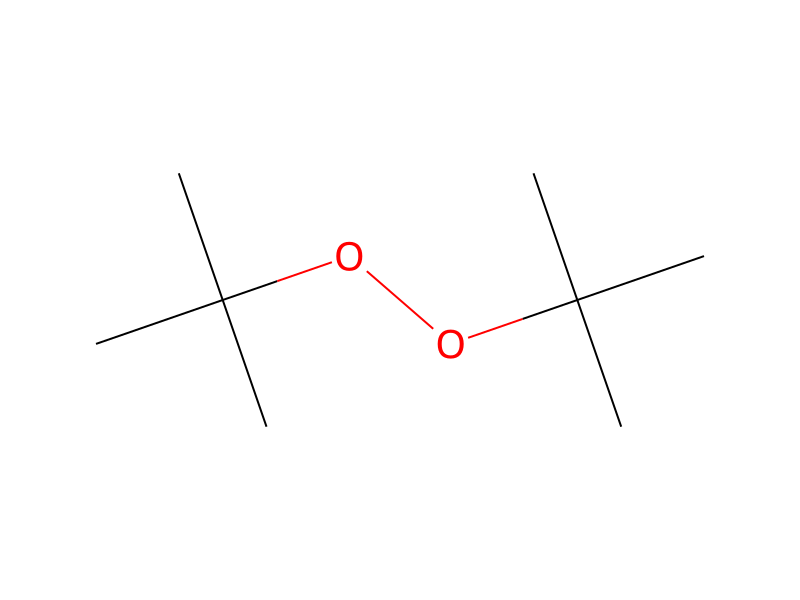
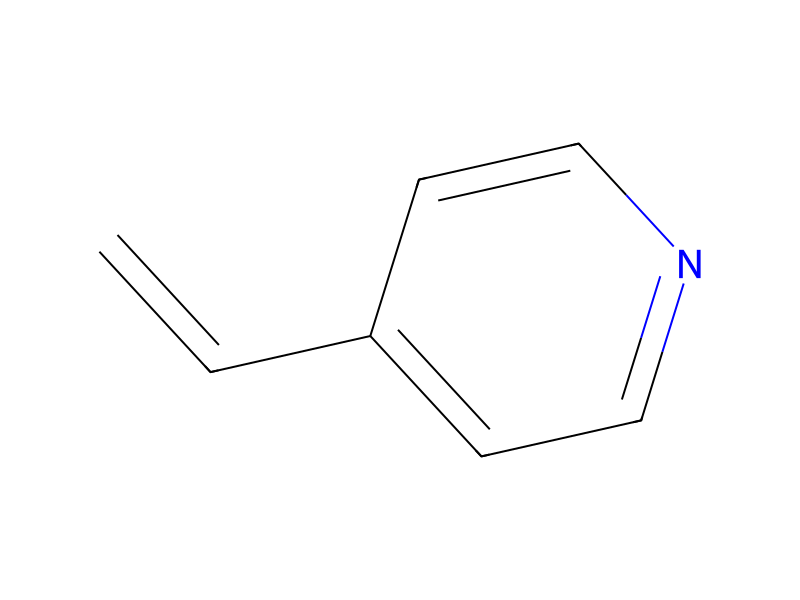
HCID 75024-VinylpyridineHCID 8033Di-tert-butyl peroxide2×HCID 81332-ButoxyethanolHCID 17881685Vinyl caprolactam

Produkt 1

HCID 86758392Vinyl caprolactam 4-vinylpyridine

Reaktionsbedingungen

Temperatur
150 °C

Versuchsvorschrift

300.00 g of 2-butoxyethanol (BGE) was charged into a 1-l, 4-necked resin kettle, fitted with a reflux condenser, a nitrogen inlet tube, a propeller agitator, a thermal watch/thermocouple and a heating mantle. Nitrogen sparging was started and continued throughout the experiment. The kettle was then heated to 150° C. and maintained at 150±2° C. throughout the experiment while keeping agitation speed at 250 rpm. A premix of 194.0 g of vinyl caprolactam, 6.0 g of 4-vinylpyridine and 4.0 g of di-t-butyl peroxide initiator (98.5% active) was prepared and pumped into the resin kettle over a period of 2 hours. After the completion of monomer feeding, the reaction mixture was held at 150° C. for 60 minutes. Thereafter, 0.5 g of di-t-butyl peroxide was added hourly, five times, to react out residual monomers. The reaction was then held at 150° C. for an additional 2 hours before cooling to ambient conditions. Vinyl caprolactam/4-vinylpyridine (87/3) copolymer thus obtained was 40% solids solution in 2-butoxyethanol (BGE). Gas chromatography (GC) analysis indicates that residual vinyl caprolactam and 4-vinylpyridine in the polymer are 0.86 and 0.05%, respectively. The polymer has a relative viscosity of 1.061 (1% in BGE, GPC weight-average molecular weight of 1,060, polyethylene glycol as standard).

Aufarbeitung

  1. customfitted with a reflux condenser, a nitrogen inlet tube
  2. temperaturemaintained at 150±2° C. throughout the experiment
  3. customwas prepared
  4. waitAfter the completion of monomer feeding, the reaction mixture was held at 150° C. for 60 minutes
  5. customfive times, to react out residual monomers
  6. waitThe reaction was then held at 150° C. for an additional 2 hours
  7. temperaturebefore cooling to ambient conditions

Quellen und Nachweise

ORD-Eintrag
ord-99baa770523b456bbc93f25164f60571
Quelldatensatz
uspto-grants-2002_08
DOI
10.6084/m9.figshare.5104873.v1
Patentnummer
US06432355B1

Notizen zur Reaktion

Auf dieser SeiteKomponentenReaktionsbedingungenVersuchsvorschriftAufarbeitungQuellen und NachweiseNotizen zur Reaktion