HCID 18461257, Verbindung → 5-{4-[6-(3-Hydroxyphenoxy)-1-methyl-1H-benzimidazole-2-ylmethoxy]benzyl}thiazolidine-2,4-dione hydrochloride
HRID 2303817
Reaktionsgleichung

[O:1]=[C:2]1[NH:6][C:5](=[O:7])[CH:4]([CH2:8][C:9]2[CH:42]=[CH:41][C:12]([O:13][CH2:14][C:15]([NH:17][C:18]3[CH:23]=[CH:22][C:21]([O:24][C:25]4[CH:30]=[CH:29][CH:28]=[C:27]([OH:31])[CH:26]=4)=[CH:20][C:19]=3[N:32]([CH3:40])C(=O)OC(C)(C)C)=O)=[CH:11][CH:10]=2)[S:3]1.[ClH:43].O1CCOCC1>>[ClH:43].[OH:31][C:27]1[CH:26]=[C:25]([CH:30]=[CH:29][CH:28]=1)[O:24][C:21]1[CH:22]=[CH:23][C:18]2[N:17]=[C:15]([CH2:14][O:13][C:12]3[CH:11]=[CH:10][C:9]([CH2:8][CH:4]4[S:3][C:2](=[O:1])[NH:6][C:5]4=[O:7])=[CH:42][CH:41]=3)[N:32]([CH3:40])[C:19]=2[CH:20]=1Komponenten
3

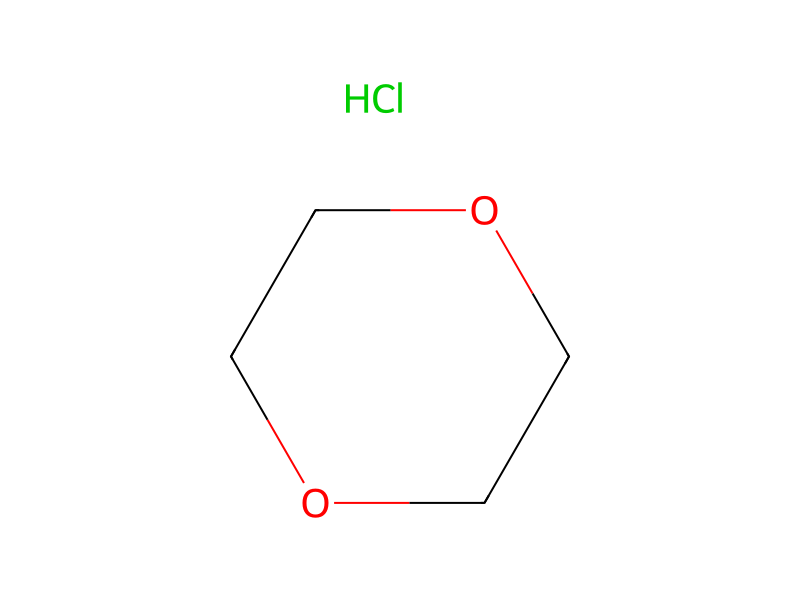

Versuchsvorschrift
A mixture of t-butyl N-{2-[4-(2,4-dioxothiazolidin-5-ylmethyl)phenoxyacetylamino]-5-(3-hydroxyphenoxy)phenyl}-N-methylcarbamate (1.18 g) and 4N hydrogen chloride/dioxane (20 ml) was allowed to stand at ambient temperature for 18 hours. The solvent of the reaction mixture was evaporated to dryness. To the residue was added ethyl acetate and the mixture was irradiated by ultrasonic waves. The insoluble product was isolated by filtration and washed with ethyl acetate to give the title compound (0.86 g).