Reaktionsgleichung

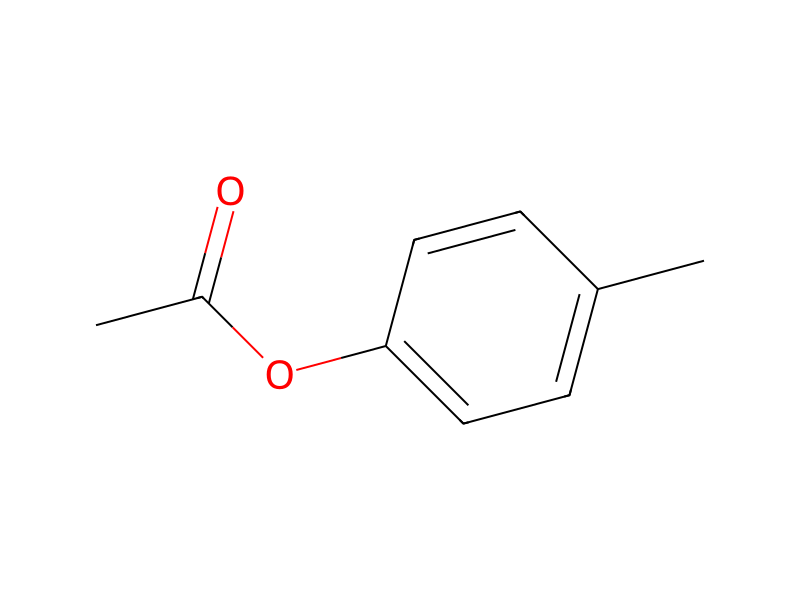
[C:1]([O:4][C:5]1[CH:10]=[CH:9][CH:8]=[CH:7][CH:6]=1)(=[O:3])[CH3:2].C[C:12]([C:14]1[CH:15]=[CH:16][C:17]([OH:20])=[CH:18][CH:19]=1)=[O:13].[OH:21][CH2:22][C:23](C1C=CC=CC=1)=O>F>[C:1]([O-:4])(=[O:3])[CH3:2].[C:22]([O:20][C:17]1[CH:18]=[CH:19][C:14]([CH3:12])=[CH:15][CH:16]=1)(=[O:21])[CH3:23].[C:1]([O:4][C:5]1[C:10]([O:13][CH3:12])=[CH:9][CH:8]=[CH:7][CH:6]=1)(=[O:3])[CH3:2]Komponenten
Edukt 3


Produkt 3
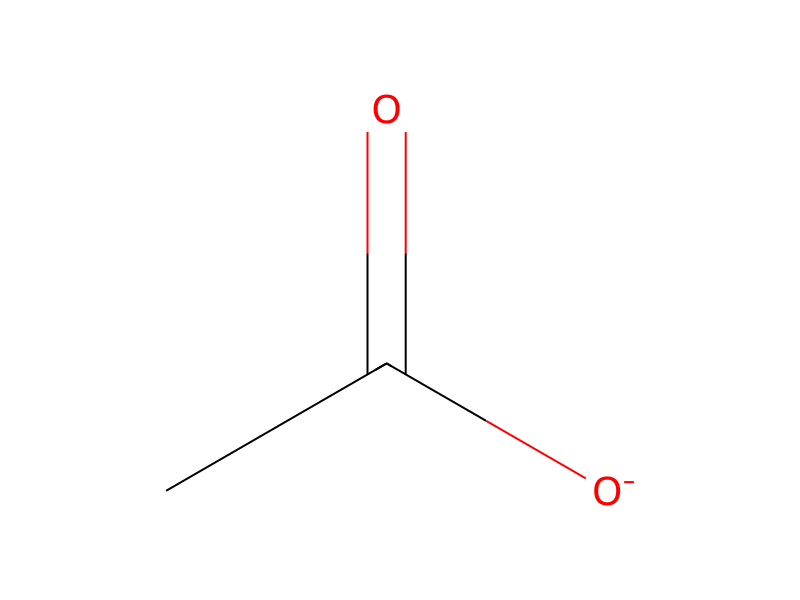

Reagenzien, Katalysatoren, Lösungsmittel 1
Versuchsvorschrift
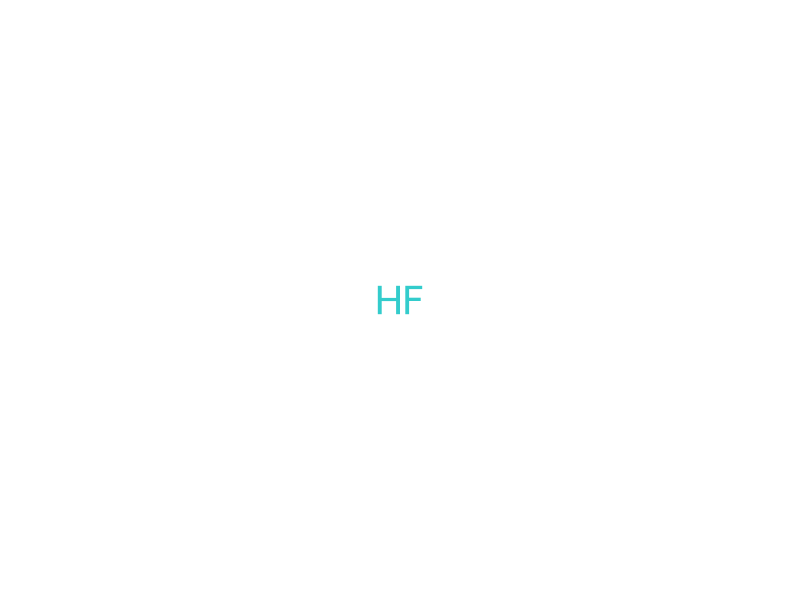
Dann and Mylius in a dissertation included as part of a series of Reports from the Institute for Applied Chemistry of the University of Erlangen, Annalen der Chemie, 587, 1 to 15, (1954) show the rearrangement of phenyl acetate in hydrogen fluoride to 4-hydroxyacetophenone, with a maximum yield of 81% after 24 hours of reaction time, and report a yield of 92% stated to be obtained by K. Weichert as reported in Angewandte Chemie, 56, 338 (1943). However, Dann and Mylius suggest that the difference in yields may be at least partly due to the previous ignoring by Weichert of the accompanying 2-hydroxyacetophenone. Dann and Mylius also report somewhat lower yields of hydroxy aromatic ketones from rearrangements in hydrogen fluoride of acresol acetate, p-cresol acetate, and guaiacol acetate.
Aufarbeitung
- customwith a maximum yield of 81% after 24 hours of reaction time
- customto be obtained by K
- customin yields may
Quellen und Nachweise
- ORD-Eintrag
- ord-a33b44d891f04e5cb2c843d557569f7b
- Quelldatensatz
- uspto-grants-1987_09
- Patentnummer
- US04692546
Verknüpfte Notizen
Wird geladen…