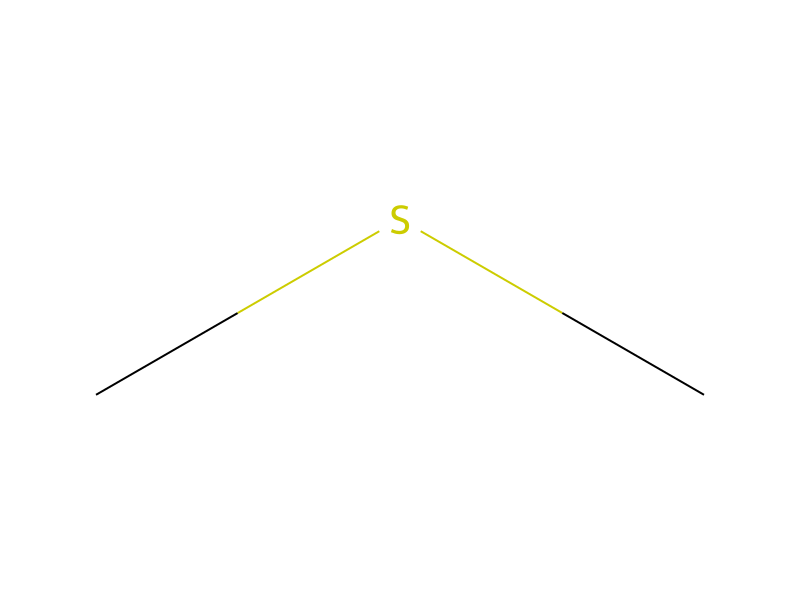
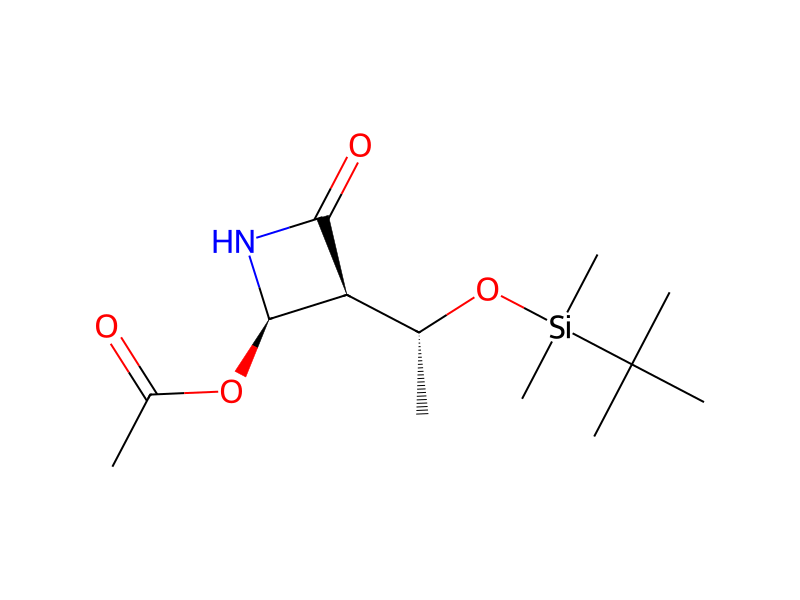
ClC1C=CC=[C:4]([C:8](OO)=[O:9])C=1.C([C@H:15]1[NH:18][C:17](=[O:19])[C@H:16]1[C@H:20]([O:22][Si:23]([C:26]([CH3:29])([CH3:28])[CH3:27])([CH3:25])[CH3:24])[CH3:21])(=O)C.C(=O)([O-])[OH:31].[Na+].CSC>C(OCC)(=O)C>[C:8]([O:19][C@H:17]1[NH:18][C:15](=[O:31])[C@H:16]1[C@H:20]([O:22][Si:23]([C:26]([CH3:27])([CH3:28])[CH3:29])([CH3:24])[CH3:25])[CH3:21])(=[O:9])[CH3:4]m-Chloroperbenzoic acid (0.5 g) is added to a solution of the object compound of Example 22 (0.08g) in ethyl acetate (8 ml), and the mixture is stirred at room temperature for 3 days and then poured into a mixture of ethyl acetate (50 ml), aqueous sodium hydrogen carbonate (20 ml) and dimethyl sulfide (0.4 ml). The mixture is stirred at room temperature for 30 minutes. The organic layer is separated, washed with brine, dried over magnesium sulfate and concentrated under reduced pressure. The residue is subjected to silica gel column chromatography (eluent: 15% ethyl acetate-85% hexane) to give 0.045 g of (3S,4R)-4-acetoxy-3-[(R)-1-(tert-butyldimethylsilyloxy)ethyl]-2-azetidinone.