StartseiteMCPWorkbenchSkills
StartseiteWorkbenchBenachrichtigungenMein Bereich
llms.txt · MCP-AnleitungDatenschutz · Nutzungsbedingungen · Supportv1.8.3
  1. Startseite
  2. /Reaktion

Pyridine → HCID 85717842, Verbindung

HRID 231761
Drucken

Reaktionsgleichung

Reaktionsgleichung von HRID 231761
[C:1]([CH2:3][C:4]([OH:7])([CH3:6])[CH3:5])#[N:2].N1C=CC=CC=1.[C:14](Cl)([Cl:16])=[O:15]>ClCCl>[C:1]([CH2:3][C:4]([O:7][C:14]([Cl:16])=[O:15])([CH3:6])[CH3:5])#[N:2]
KomponentenVersuchsvorschriftAufarbeitungQuellen und NachweiseNotizen zur Reaktion

Komponenten

5

Edukt 3

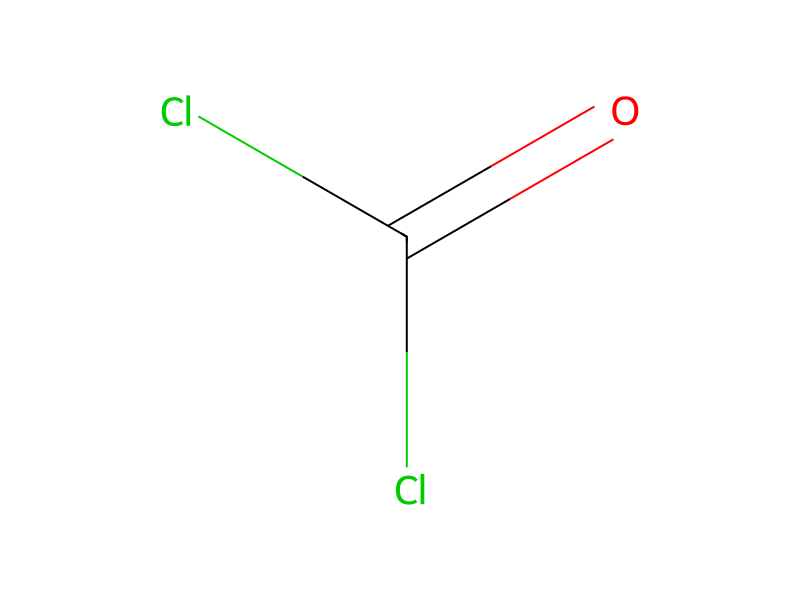
HCID 1049PyridineHCID 6371PhosgeneHCID 45687953-Hydroxy-3-methylbutanenitrile

Produkt 1

HCID 85717842HCID 85717842, Verbindung

Reagenzien, Katalysatoren, Lösungsmittel 1

HCID 6344DichloromethaneLösungsmittel

Versuchsvorschrift

Chloroformic cyanotert. butyl ester is prepared by reacting cyanotert butanol (10 g, 100 mMole) and pyridine (10 g, 125 mmole) in dichloromethane (150 ml) at about -40° C. together with liquid phosgene (-70° C., 40 ml, 600 mMole). The mixture is allowed to warm to room temperature and stirred over night. It is then extracted with ice cold aqueous hydrochloric acid (1N) washed twice with ice water immediately dried by shaking several times with fresh anhydrous sodium sulfate, the aqueous phases and the sodium sulfate are twice reextracted with a small amount of dichloromethane, and the combined organic phases are evaporated under reduced pressure (20° C. bath) to yield the product (17 g, 100% yield).

Aufarbeitung

  1. customat about -40° C.
  2. extractionIt is then extracted with ice cold aqueous hydrochloric acid (1N)
  3. washwashed twice with ice water
  4. customimmediately dried
  5. stirringby shaking several times with fresh anhydrous sodium sulfate
  6. customthe combined organic phases are evaporated under reduced pressure (20° C. bath)

Quellen und Nachweise

ORD-Eintrag
ord-d1ebdf15f2cd4351ba1ca0c2fabc0f98
Quelldatensatz
uspto-grants-1989_07
DOI
10.6084/m9.figshare.5104873.v1
Patentnummer
US04849408

Notizen zur Reaktion

Auf dieser SeiteKomponentenVersuchsvorschriftAufarbeitungQuellen und NachweiseNotizen zur Reaktion