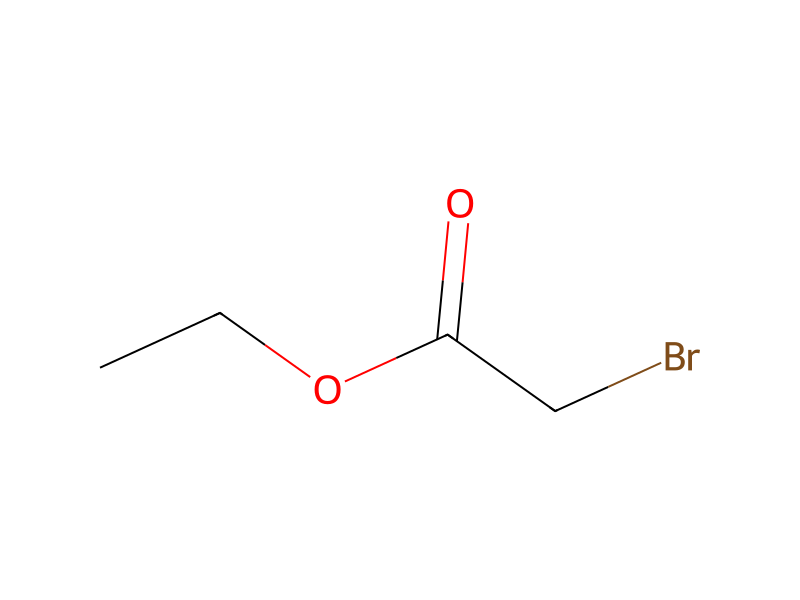
5H,6H,12H,13H-indeno[2,3-a]pyrrolo[3,4-c]carbazole-7(7H)one (Compound I-2) (200 mg, 0.65 mmol) was added to a stirred solution of NaH (25 mg of 60% oil dispersion, 0.65 mmol) in dry DMF (10 mL) under a nitrogen atmosphere. The dark mixture was stirred at ambient temperature for 1 hour. Ethyl bromoacetate (120 mg, 0.08 mL, 0.72) was added dropwise and the mixture was stirred 12 hours. The resulting yellow solution was concentrated at reduced pressure to give a crude yellow solid. The product was dissolved in dry THF (10 mL) and lithium aluminium hydride (1 mL of 1M solution in ether) was added dropwise. The solution was stirred 6 hours at room temperature, then the reaction was quenched by the addition of H2O (1 mL). The mixture was filtered and concentrated at reduced pressure. THF was added to the residue and the product was collected to give 30 mg (17%) of Compound I-29 as a white solid. The melting point was greater than 300° C. The following NMR data were obtained: 1H NMR (DMSO-d6, 300 MHz): δ3.8-3.9 (b, 2H), 4.55 (s, 2H), 4.77 (t, 2H), 4.9 (s, 2H), 5.0 (b, 1H, D2O exchange), 7.3-7.45 (m, 3H), 7.5-7.57 (t, 1H), 7.67 (d, 1H, J=6 Hz), 7.5 (d, 1H, J=6 Hz), 8.0 (d, 1H, J=6 Hz); 8.57 (s, 1H), 9.5 (d, 1H, J=7 Hz). MS(FAB): m/e 355 (M+1)+.