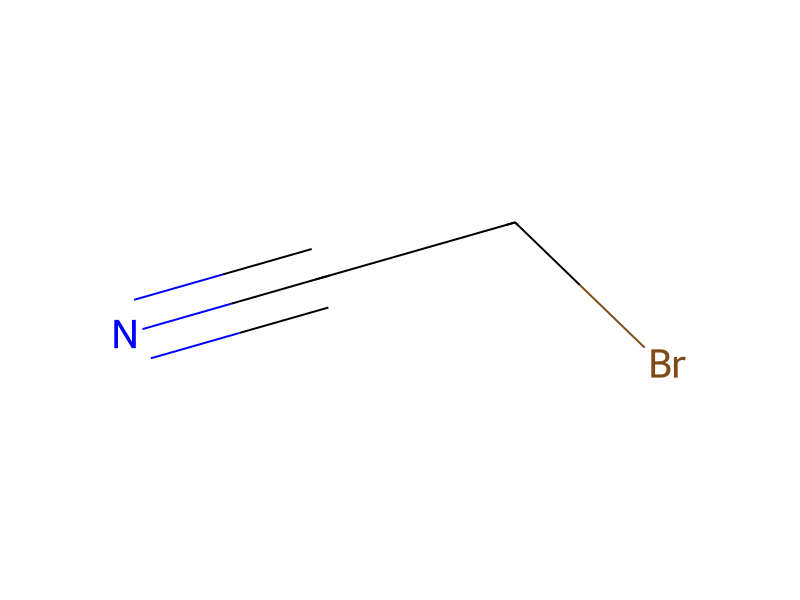
The 7-chloro-3-methanesulfonyl-1H-indole (2.21 g, 0.00962 mole) of Step 6 was dissolved in 20 ml dry N-methylpyrrolidinone and cooled to 0° C. under a nitrogen atmosphere. Sodium hydride (60% in oil, 0.46 g, 0.0115 mole) was added in portions with stirring and the reaction mixture was allowed to stir until bubbling ceased. Bromoacetonitrile (1.27 g, 0.0106 mole) was added all at once and the resulting solution was stirred and allowed to reach room temperature. After 1 h, the reaction mixture was poured into water-ethyl acetate and the organic layer was washed three times with brine and dried over magnesium sulfate. Evaporation to dryness gave a residue of 3.31 g which was purified by flushing through an alumina (6% water) column using 3:7 and 1:1 ethyl acetate-hexane to elute the product. The purified (7-chloro-3-methanesulfonyl-indol-1-yl)-acetonitrile was crystalline and weighed 2.111 g after thoroughly drying.