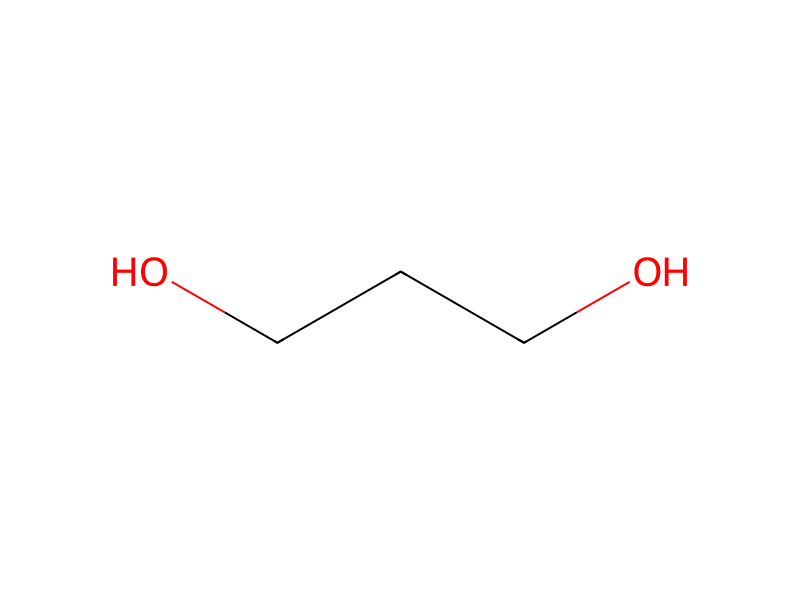
1,3-Propanediol → HCID 57428580, Verbindung
HRID 2353011
Reaktionsgleichung

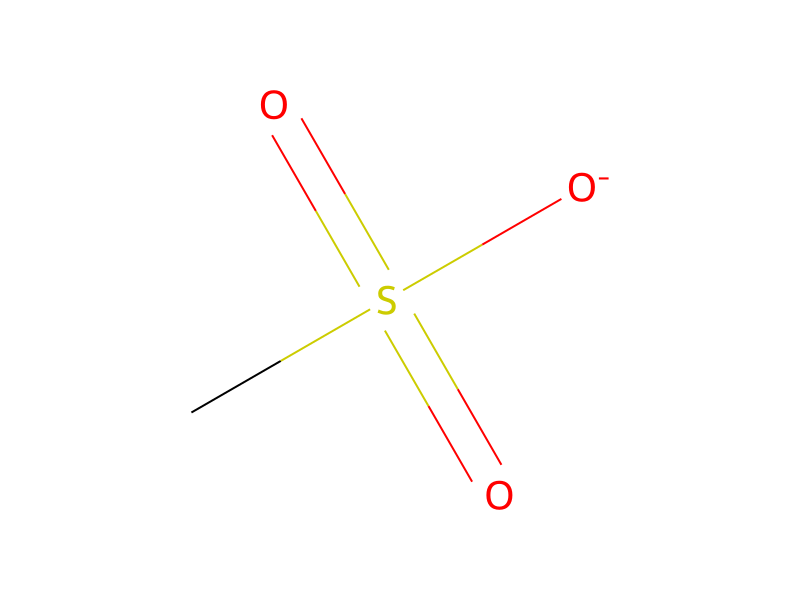
[F:1][CH:2]([CH3:18])[CH2:3][CH2:4][CH2:5][CH2:6][CH2:7][CH2:8][CH2:9][CH2:10][CH2:11][CH2:12][CH2:13][CH2:14][CH2:15][CH2:16][OH:17].CS([O-])(=O)=O.[CH2:24](O)[CH2:25][CH2:26][OH:27]>>[F:1][CH:2]([CH3:18])[CH2:3][CH2:4][CH2:5][CH2:6][CH2:7][CH2:8][CH2:9][CH2:10][CH2:11][CH2:12][CH2:13][CH2:14][CH2:15][CH2:16][O:17][CH2:24][CH2:25][CH2:26][OH:27]Komponenten
4


Versuchsvorschrift
A general procedure for the preparation of penultimate fluorinated alkoxyalkyl esters of acyclic nucleoside phosphonates is illustrated in Scheme 6, below. Fluoroalkoxyalkyl esters of acyclic nucleoside phosphonates such as 3-(15-fluorohexadecyloxy)propyl cidofovir 42 (15-F-HDP-CDV) and 3-(15-fluorohexadecyloxy)propyl (S)-HPMPA 43 (15-F-HDP-(S)-HPMPA) can be prepared using this process. Briefly, with reference to Scheme 6, commercially available 2-bromopropanoic acid 35 is reduced to the alcohol with borane:THF complex solution to provide 2-bromo-1-propanol 36. Fluorination of 36 is achieved with 1,1,2-trifluoro-2-chloroethyldiethylamine, a mild and safe reagent to convert 1-hydroxy-2-halogenoalkanes into the corresponding rearranged fluoride 37. Conversion of 37 into a Grignard reagent followed by reaction with 13-bromo-tridecanol in the presence of the catalyst provides 15-fluorohexadecanol 38. Conversion of alcohol 38 into the methanesulfonate derivative, followed by reaction with 1,3-propanediol provides 3-(15-fluorohexadecyloxy)propan-1-ol 39. Reaction of 39 with cyclic cidofovir or cyclic (S)-HPMPA as described generally in Example 2 (step a), provides the cyclic esters (40 and 41, respectively) which can then be converted to the desired compounds (42 and 43, respectively) using the general method set forth in Example 2 (step b).