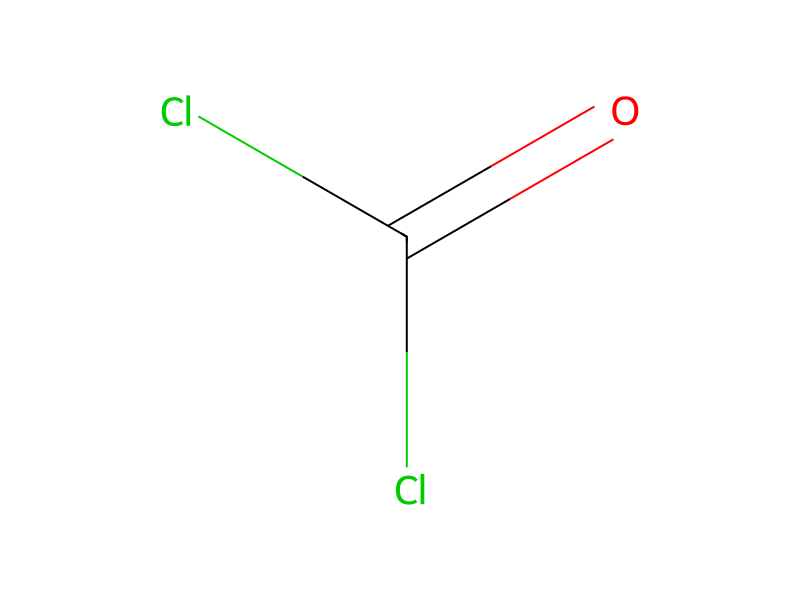
The dichloropyrimidine-naphthylamine ether from above (1.04 g, 3.83 mmol, 1 equiv.) was dissolved in 100 mL dichloromethane and 75 mL of a saturated aqueous solution of sodium bicarbonate was added. The mixture was cooled to 0° C. Without stirring, phosgene (˜2 M in toluene, 6.7 mL, 13.4 mmol, 3.5 equiv.) was added via syringe to the organic layer in one portion. Stirring was resumed for 20 min, then the layers were separated. The organic layer was dried (Na2SO4), filtered, and the solvent was removed in vacuo, leaving ˜5 mL of toluene. To this residue was immediately added tert-butyl-ortho-anisidine (687 mg, 3.83 mmol, 1 equiv.) in 18 mL anh. THF at room temperature, and the mixture was left stirring for 4 h. The solvents were then removed in vacuo leaving a yellow solid, which was triturated to a white powder in hot EtOAc. The intermediate chloropyrimidine-urea was thus isolated (1.23 g, 2.58 mmol, 67% yield).