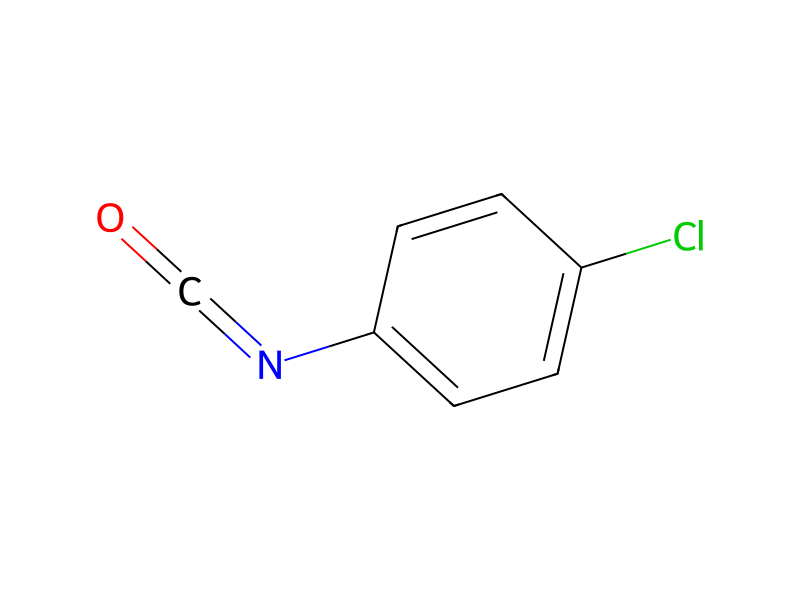
[NH:1]1[CH:5]=[CH:4][CH:3]=[C:2]1[C:6]([CH2:8][C:9]#[N:10])=[O:7].CCN(CC)CC.[Cl:18][C:19]1[CH:24]=[CH:23][C:22]([N:25]=[C:26]=[O:27])=[CH:21][CH:20]=1>C(COC)OC>[O:7]=[C:6]([C:2]1[NH:1][CH:5]=[CH:4][CH:3]=1)[CH:8]([C:26](=[O:27])[NH:25][C:22]1[CH:23]=[CH:24][C:19]([Cl:18])=[CH:20][CH:21]=1)[C:9]#[N:10]To the solution of 6.7 g of 2-pyrroloylacetonitrile in 25 ml of glyme and 5.5 g of Et3N is added a solution of 8.6 g of 4-chlorophenyl isocyanate in 25 ml of glyme. After the exothermic reaction, the mixture is let stand overnight. Part of the solvent is evaporated and the cooled residue is poured into a solution of 10 ml of 6N HCl in 250 ml of water. After the addition of some methanol, the crude material is collected. It is dissolved in dilute NaOH solution, the solution is treated with charcoal, filtered, and acidified with 6N HCl. The reprecipitated product is collected, washed with water, and triturated with methanol to give solid, m.p. 219°-221°. Recrystallization from methanol gives β-oxo-α-(4-chlorophenyl carbamoyl)-β-(2-pyrrolyl)propionitrile, m.p. 223°-5°.