1,1,1-Trimethoxybutane → HCID 57447057, Verbindung
Reaktionsgleichung

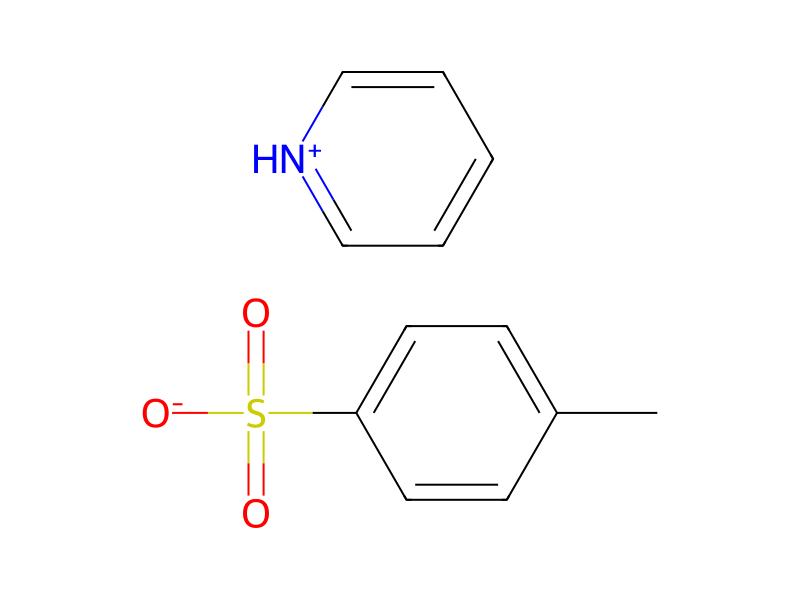
[NH2:1][C:2]1[CH:3]=[N:4][C:5]2[C:10]([C:11]=1[NH:12][CH2:13][C:14]([CH3:21])([CH3:20])[C:15]([O:17][CH2:18][CH3:19])=[O:16])=[CH:9][CH:8]=[CH:7][CH:6]=2.[C:22](OC)(OC)(OC)[CH2:23][CH2:24][CH3:25]>C1(C)C=CC(S([O-])(=O)=O)=CC=1.[NH+]1C=CC=CC=1>[CH3:21][C:14]([CH3:20])([CH2:13][N:12]1[C:11]2[C:10]3[CH:9]=[CH:8][CH:7]=[CH:6][C:5]=3[N:4]=[CH:3][C:2]=2[N:1]=[C:22]1[CH2:23][CH2:24][CH3:25])[C:15]([O:17][CH2:18][CH3:19])=[O:16]Komponenten
4
Edukt 2


Produkt 1

Reagenzien, Katalysatoren, Lösungsmittel 1
Versuchsvorschrift
Ethyl 3-[(3-aminoquinolin-4-yl)amino]-2,2-dimethylpropanoate (8.2 g, 29 mmol) was treated according to a modification of the method described in Part B of Example 8. Prior to the addition of trimethyl orthobutyrate (5.3 g, 36 mmol) and pyridinium p-toluenesulfonate (0.10 g, 0.40 mmol), the reaction was heated at reflux for ten minutes. During the work-up procedure, the solution was dried over potassium carbonate. The crude product was purified by column chromatography on silica gel (eluting with 93:7 dichloromethane:methanol containing 3 mL concentrated ammonium hydroxide per liter of eluent) to provide 2.1 g of ethyl 2,2-dimethyl-3-(2-propyl-1H-imidazo[4,5-c]quinolin-1-yl)propanoate as an orange oil.