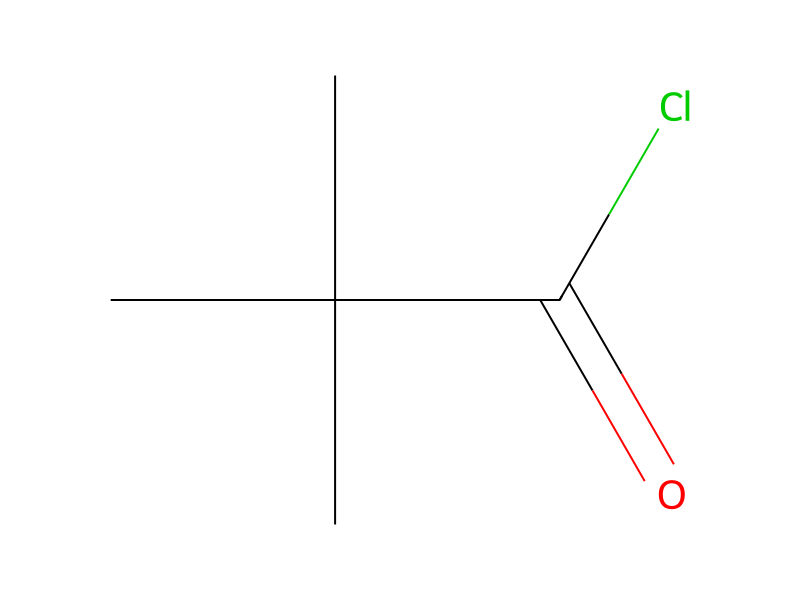
A solution of 1.0 g of 2-[4-(2,5-dimethyl-1H-pyrrol-1-yl)-phenylthio]-acetic acid in 75 ml of dichloromethane and 0.8 ml. triethylamine, is cooled in an ice bath. To this solution is added 0.5 ml of trimethylacetyl chloride and the solution is stirred at room temperature overnight. Triethylamine (2 ml) is added followed by 1 g of N-methylhydroxylamine hydrochloride and the mixture is kept at room temperature for 20 hours. The mixture is washed with 0.3 N aqueous hydrochloric acid, ice cold dilute sodium bicarbonate and brine. The organic phase is dried over MgSO4 and filtered. The solvent is evaporated at 50° at reduced pressure, the residue is dissolved in diethyl ether and the solutions filtered through 10 g of silica gel to yield 2-[4-(2,5-dimethyl-1H-pyrrol-1-yl)phenylthio]-N-hydroxy-N-methylacetamide; NMR (DMSO-d6 : δ7.1, 5.85, 3.25, 1.95.