StartseiteMCPWorkbenchSkills
StartseiteWorkbenchBenachrichtigungenMein Bereich
llms.txt · MCP-AnleitungDatenschutz · Nutzungsbedingungen · Supportv1.8.3
  1. Startseite
  2. /Reaktion

Formaldehyde → 1-[4-(Diethylamino)but-2-YN-1-YL]pyrrolidin-2-one

HRID 2372804
Drucken

Reaktionsgleichung

Reaktionsgleichung von HRID 2372804
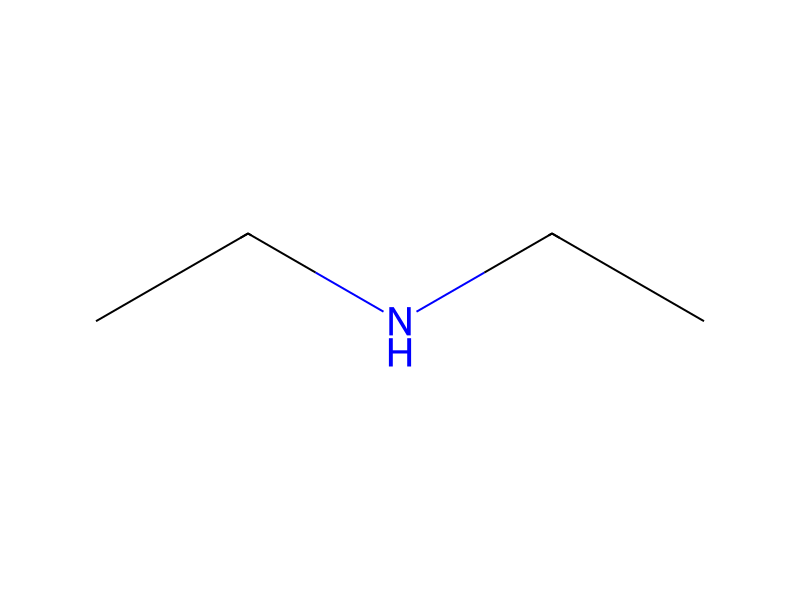
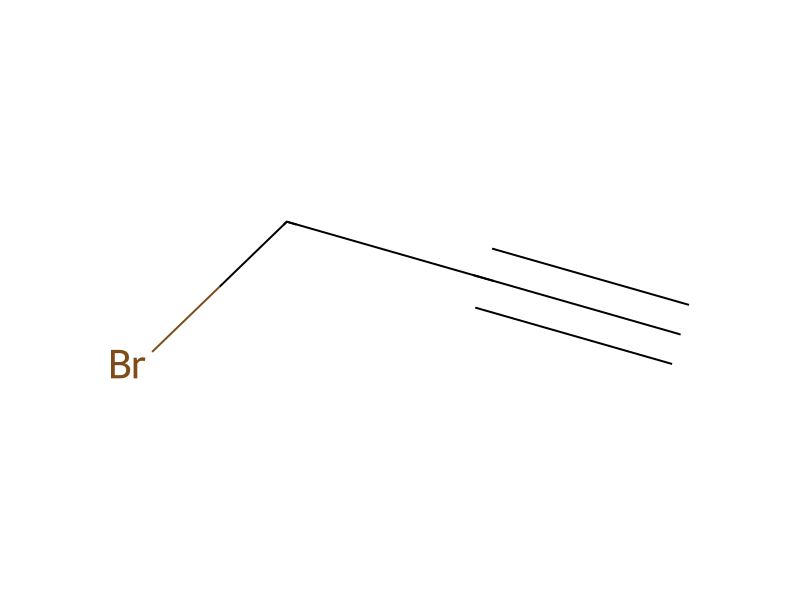
[CH2:1]([N:4]1[CH2:8][CH2:7][C:6](=O)[CH2:5]1)[C:2]#[CH:3].[CH2:10](Br)C#C.[K].[NH:15]1[CH2:19][CH2:18][CH2:17][C:16]1=[O:20].C=O.C(NCC)C>>[CH2:5]([N:4]([CH2:8][CH3:7])[CH2:1][C:2]#[C:3][CH2:10][N:15]1[CH2:19][CH2:18][CH2:17][C:16]1=[O:20])[CH3:6]

KomponentenVersuchsvorschriftQuellen und NachweiseNotizen zur Reaktion

Komponenten

7

Edukt 6

HCID 712FormaldehydeHCID 7842Propargyl bromideHCID 8021DiethylamineHCID 120252-PyrrolidoneHCID 5462222PotassiumHCID 199023151-(2-Propynyl)-3-pyrrolidinone

Produkt 1

HCID 15065507
1-[4-(Diethylamino)but-2-YN-1-YL]pyrrolidin-2-one

Versuchsvorschrift

1-(2-propynyl)-3-pyrrolidinone, prepared from propargyl bromide and the potassium salt of pyrrolidinone, is reacted with paraformaldehyde and diethylamine using cuprous chloride as catalyst to give 1-[4-(diethylamino)-2-butynyl]-2-pyrrolidinone. This compound is reacted with cyanogen bromide to give 1-(4-bromo-2-propynyl)-2-pyrrolidinone (BPP) which is then reacted with excess imidazole to give 1-[4-(1H-imidazol-1-yl)-2-butynyl]-2-pyrrolidinone (Compound 1, shown in Table 1). It was essential to avoid the use of strong bases in this reaction, because when BPP is reacted with the potassium salt of imidazole the allene is yielded as the major product.

Quellen und Nachweise

ORD-Eintrag
ord-0b4e41f6fa5a44039b532f1683a04bb4
Quelldatensatz
uspto-grants-1992_03
DOI
10.6084/m9.figshare.5104873.v1
Patentnummer
US05100909

Notizen zur Reaktion

Auf dieser SeiteKomponentenVersuchsvorschriftQuellen und NachweiseNotizen zur Reaktion