Reaktionsgleichung

[C:1]([CH:4]([CH2:10][C:11](=O)[CH3:12])[C:5]([O:7][CH2:8][CH3:9])=[O:6])(=O)[CH3:2].[Br:14][C:15]1[CH:20]=[C:19]([NH2:21])[CH:18]=[C:17]([Br:22])[C:16]=1[OH:23]>CCO>[Br:14][C:15]1[CH:20]=[C:19]([N:21]2[C:11]([CH3:12])=[CH:10][C:4]([C:5]([O:7][CH2:8][CH3:9])=[O:6])=[C:1]2[CH3:2])[CH:18]=[C:17]([Br:22])[C:16]=1[OH:23]Komponenten
4
Edukt 2

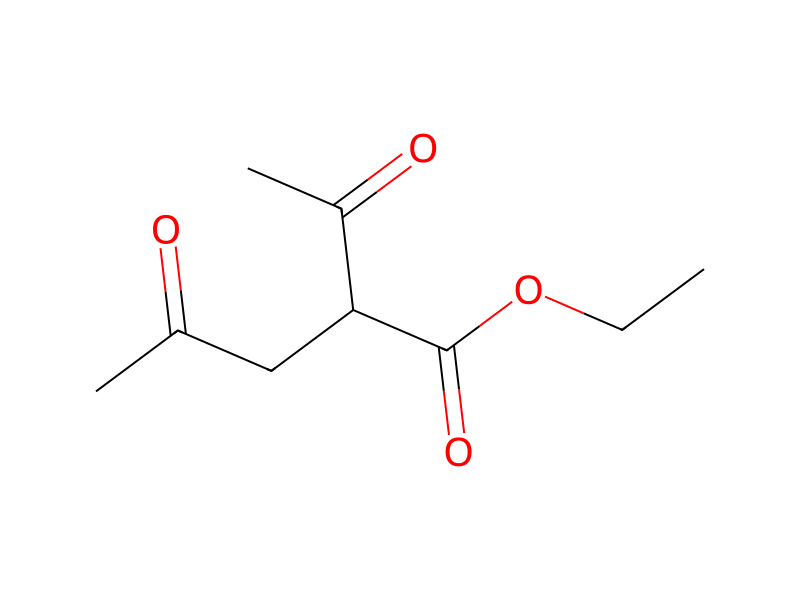
Produkt 1

Reagenzien, Katalysatoren, Lösungsmittel 1

Versuchsvorschrift
Utilizing the procedure outlined in Example 85, ethyl 2-acetyl-4-oxopentanoate (6.37 g, 34.2 mmol) was dissolved in 20 mL of EtOH. 2,6-dibromo-4-aminophenol (11.6g, 34.2mmol) were reacted to afford ethyl 1-(3,5-dibromo-4-hydroxyphenyl)-2,5-dimethyl-1H-pyrrole-3-carboxylate was taken on without further purification. MS (ESI) 418 (M+H)+.
Quellen und Nachweise
- ORD-Eintrag
- ord-d3768bf0effa473a8e30a37b8c51e892
- Quelldatensatz
- uspto-grants-2008_12
- Patentnummer
- US07465730B2
Verknüpfte Notizen
Wird geladen…