p-Toluenesulfonic acid → [5-(3,4-Dichlorophenyl)-1-(4-methoxyphenyl)-1H-pyrazol-3-yl]methanol
HRID 2376254
Reaktionsgleichung

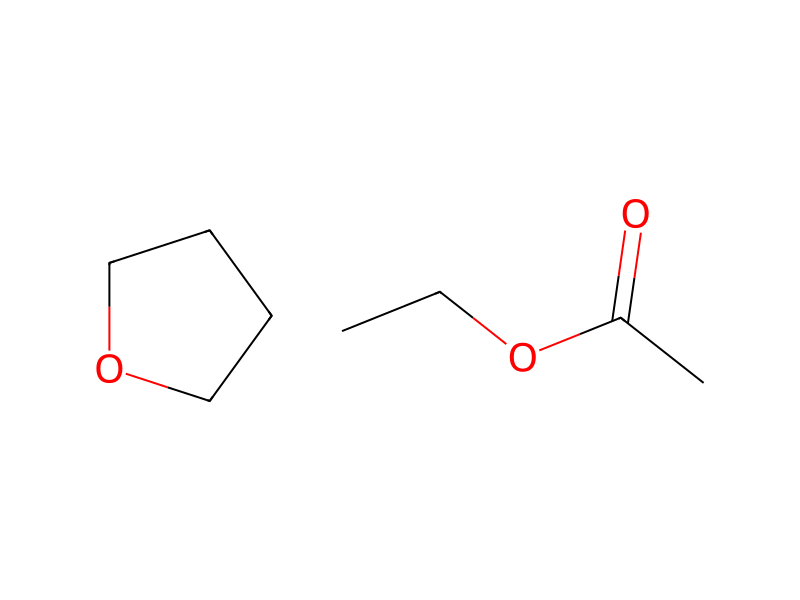
C1(C)C=CC(S(O)(=O)=O)=CC=1.C1COCC1.CCOC(C)=O.[Cl:23][C:24]1[CH:25]=[C:26]([C:31]2[N:35]([C:36]3[CH:41]=[CH:40][C:39]([O:42][CH3:43])=[CH:38][CH:37]=3)[N:34]=[C:33]([CH2:44][O:45]C3CCCCO3)[CH:32]=2)[CH:27]=[CH:28][C:29]=1[Cl:30]>CO>[Cl:23][C:24]1[CH:25]=[C:26]([C:31]2[N:35]([C:36]3[CH:37]=[CH:38][C:39]([O:42][CH3:43])=[CH:40][CH:41]=3)[N:34]=[C:33]([CH2:44][OH:45])[CH:32]=2)[CH:27]=[CH:28][C:29]=1[Cl:30]Komponenten
5
Edukt 3


Produkt 1

Reagenzien, Katalysatoren, Lösungsmittel 1
