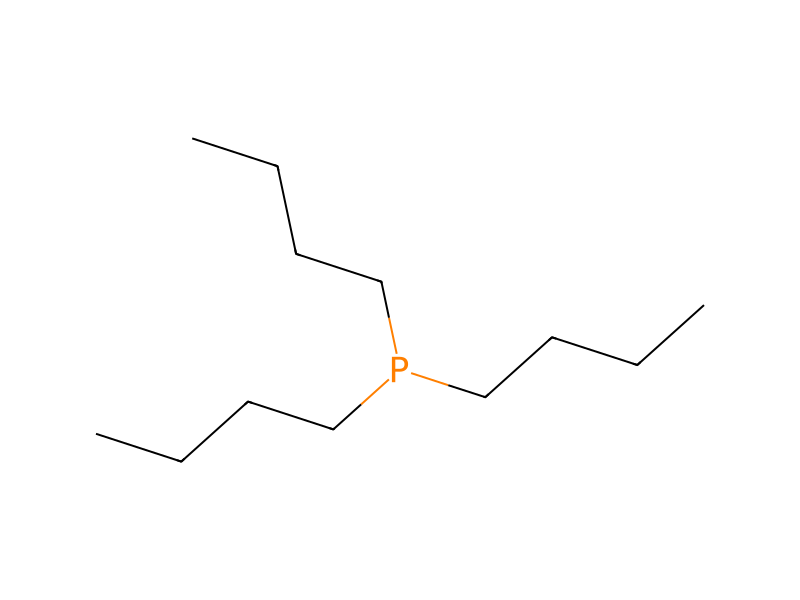
To a cooled (−78° C.) solution of 1,3-bis(hydroxymethyl)-3-(5-hydroxy-2-methyl-1,3-benzothiazol-6-yl)-1,3-dihydro-2H-indol-2-one (1.70 g, 4.7 mmol) in anhydrous tetrahydrofuran (30 mL) was added tri-n-butylphosphine (0.80 mL, 5.7 mmol), followed by diethyl azodicarboxylate (1.05 mL, 6.7 mmol). The reaction mixture was allowed to warm to ambient temperature and was stirred for 2 h. The reaction mixture was cooled to 0° C. and a 28% aqueous solution of ammonia (10 mL) was added. The reaction mixture was stirred for 1 h at 0° C. and was acidified to pH 6 by the dropwise addition of 10% aqueous hydrochloric acid. The reaction mixture was extracted with ethyl acetate (3×50 mL) and the combined organic solution was washed with brine (2×50 mL), dried over sodium sulfate, filtered and concentrated. The resultant solid was triturated with diethyl ether (50 mL), collected by vacuum filtration, washed with diethyl ether (20 mL) and dried under high vacuum to afford 2-methylspiro[furo[2,3-f][1,3]benzothiazole-7,3′-indol]-2′(1′H)-one (1.03 g, 70%): mp>250° C. (ethyl acetate); 1H NMR (300 MHz, DMSO-d6) δ10.75 (br s, 1H), 7.89 (d, J=8.6 Hz, 1H), 7.26-7.19 (m, 1H), 7.10 (d, J=8.6 Hz, 1H), 7.02-6.86 (m, 3H), 4.86-4.74 (m, 2H), 2.60 (s, 3H); 13C NMR (75 MHz, DMSO-d6) δ177.7, 160.1, 148.9, 141.7, 138.5, 132.7, 128.6, 128.0, 123.4, 122.7, 122.1, 119.9, 109.7, 108.3, 80.9, 57.8, 20.0; MS (ES+) m/z 309.1 (M+1).