Ethylene Oxide → Bis(2-chloroethyl) P-(2-chloroethyl)phosphonate
HRID 2394934
Reaktionsgleichung

[CH:1](P(=O)(O)O)=[CH2:2].P(Cl)(Cl)[Cl:8].C1OC1.[P:14]([O:23][CH2:24][CH2:25][Cl:26])([O:19][CH2:20][CH2:21][Cl:22])[O:15]CCCl>>[Cl:8][CH2:1][CH2:2][P:14](=[O:15])([O:19][CH2:20][CH2:21][Cl:22])[O:23][CH2:24][CH2:25][Cl:26]Komponenten
5
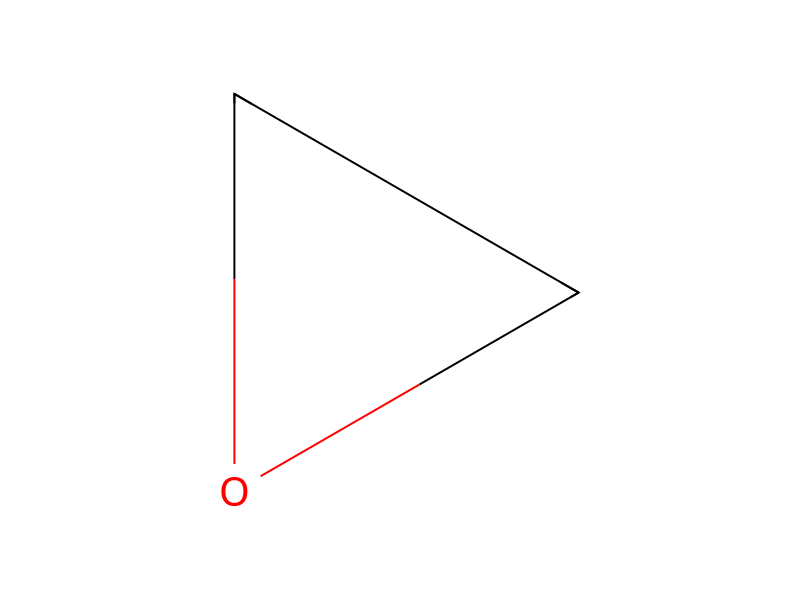

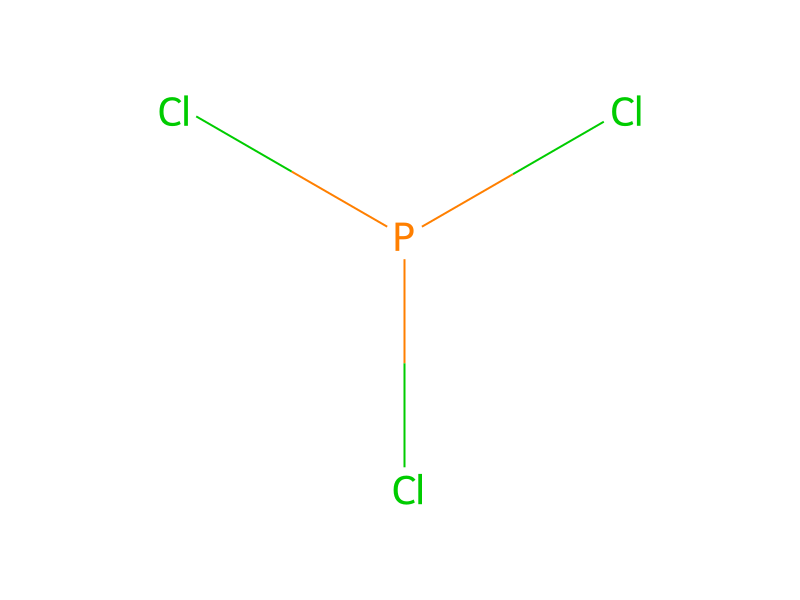


Versuchsvorschrift
Vinylphosphonic acid, CH2 =CH--PO(OH)2, can be prepared in a known manner by the following method: Phosphorus trichloride is reacted with ethylene oxide, the resulting tris(2-chloroethyl) phosphite is rearranged to give bis(2-chloroethyl) 2-chloroethylphosphonate, followed by reaction of the bis(2-chloroethyl) 2-chloroethylphosphonate with phosgene in the presence of suitable catalysts to give 2-chloroethylphosphonic dichloride (German Patent No. 2,132,962). The 2-chloroethylphosphonic dichloride can then be converted into vinylphosphonic acid by eliminating HCl in the presence of suitable catalysts (BaCl2) and subsequent hydrolysis of the vinylphosphonic dichloride formed (Chem. Abstr. 54, page 265 (1960)).