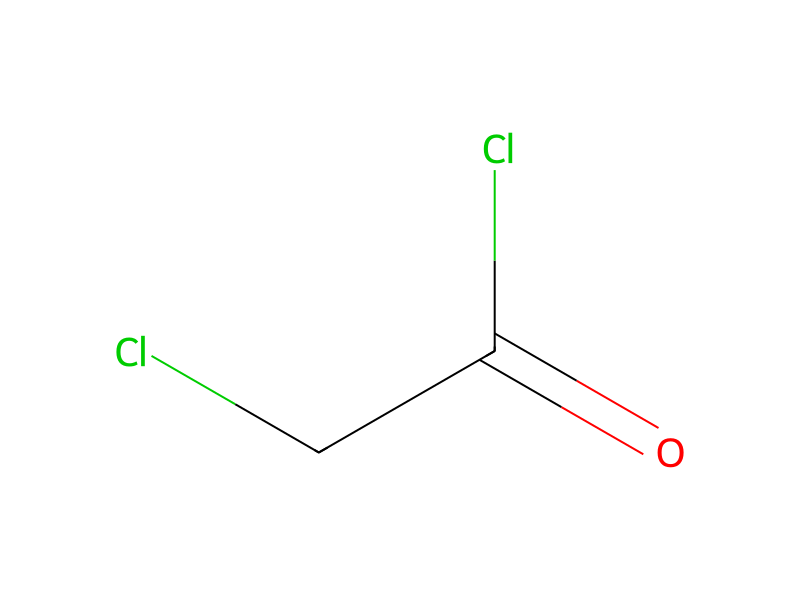
[Cl:1][CH2:2][C:3](Cl)=[O:4].[Cl:6][C:7]1[CH:15]=[CH:14][C:13]2[N:12]3[CH2:16][CH2:17][NH:18][CH2:19][C:11]3=[C:10]([C:20]3[CH:25]=[CH:24][CH:23]=[CH:22][CH:21]=3)[C:9]=2[CH:8]=1.C([N:28](CC)CC)C>ClCCl>[Cl:1][CH2:2][C:3]([NH:28][CH:19]1[C:11]2=[C:10]([C:20]3[CH:25]=[CH:24][CH:23]=[CH:22][CH:21]=3)[C:9]3[CH:8]=[C:7]([Cl:6])[CH:15]=[CH:14][C:13]=3[N:12]2[CH2:16][CH2:17][NH:18]1)=[O:4]A solution of chloracetyl chloride (4.60 g, 0.0407 mole) in dichloromethane (25 ml) is added over a period of three-fourth hours to a solution of 8chloro-10-phenyl-1,2,3,4-tetrahydropyrazino[1,2-a] indole (10.0 g, 0.0353 mole) and triethylamine (4.13 g, 0.0407 mole) in dichloromethane (100 ml). An exotherm raises the temperature to 39° C. The reaction mixture is stirred at room temperature for 6 hours, then allowed to stand overnight. It is concentrated to dryness. The residue was taken up in dichloromethane (500 ml), washed with water and saturated sodium chloride solution and dried over anhydrous sodium sulfate. The drying agent is removed by filtration and the filtrate is concentrated to dryness. The residue is recrystallized twice from isopropanol, giving the above titled product, 6.94 g (54.7% yield), melting at 139°-149° C.