2,2,6,6-Tetramethyl-3,5-heptanedione → Barium bis(2,2,6,6-tetramethyl-3,5-heptanedionate)
HRID 2399660
Reaktionsgleichung

O.O.O.O.O.O.O.O.[OH-].[Ba+2:10].[OH-].[CH3:12][C:13]([CH3:24])([C:15](=[O:23])[CH2:16][C:17](=[O:22])[C:18]([CH3:21])([CH3:20])[CH3:19])[CH3:14]>C1(C)C(C)=CC=CC=1>[CH3:12][C:13]([CH3:24])([CH3:14])/[C:15](/[O-:23])=[CH:16]/[C:17]([C:18]([CH3:21])([CH3:20])[CH3:19])=[O:22].[CH3:12][C:13]([CH3:24])([CH3:14])/[C:15](/[O-:23])=[CH:16]/[C:17]([C:18]([CH3:21])([CH3:20])[CH3:19])=[O:22].[Ba+2:10]Komponenten
4
Edukt 2
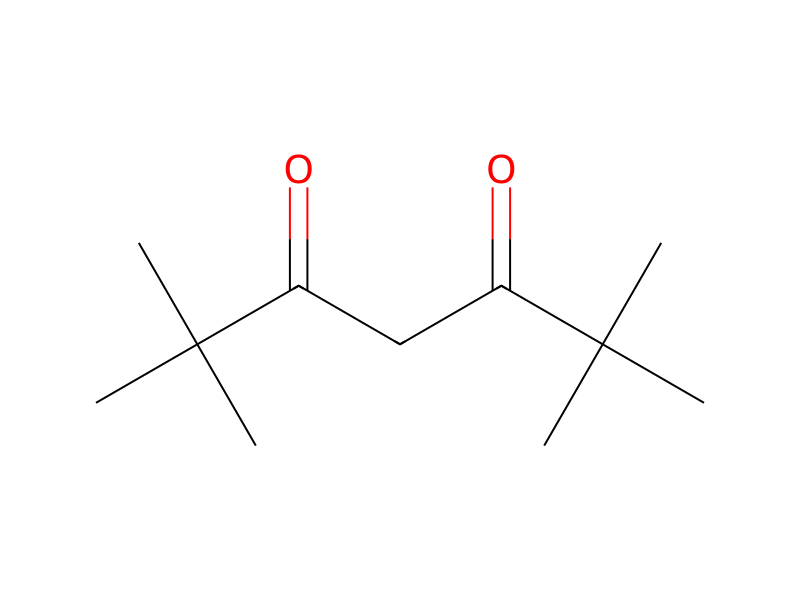

Produkt 1

Reagenzien, Katalysatoren, Lösungsmittel 1

Reaktionsbedingungen
- Temperatur
- 50 °C