Nicotinic acid, hydrazide → HCID 58068033, Verbindung
HRID 2400237
Reaktionsgleichung

C(S[C:4](=[N:6][C:7]1[CH:12]=[CH:11][CH:10]=[CH:9][CH:8]=1)[CH3:5])C.[C:13]([NH:21][NH2:22])(=O)[C:14]1[CH:19]=[CH:18][CH:17]=[N:16][CH:15]=1>C(O)CCC>[CH3:5][C:4]1[N:6]([C:7]2[CH:12]=[CH:11][CH:10]=[CH:9][CH:8]=2)[C:13]([C:14]2[CH:15]=[N:16][CH:17]=[CH:18][CH:19]=2)=[N:21][N:22]=1Komponenten
4
Edukt 2


Produkt 1

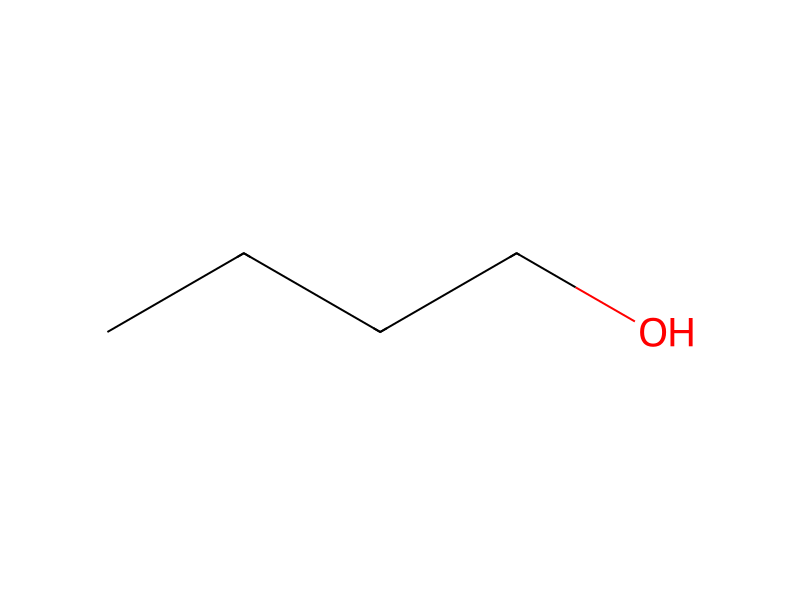
Reagenzien, Katalysatoren, Lösungsmittel 1
Versuchsvorschrift
First, into a 100-mL three-neck flask were placed 3.64 g of N-[1-(ethylsulfanyl)ethylidene]aniline, 20 mL of 1-butanol, and 2.78 g of nicotinic acid hydrazide, and the mixture was stirred at 130° C. for 22 hours. After the stirring, this reaction solution was concentrated under reduced pressure to give an oily substance. This oily substance was washed with ethyl acetate, and subjected to suction filtration to give a solid. This solid was purified by alumina column chromatography using ethyl acetate as a developing solvent. The obtained fraction was concentrated to give a solid. This solid was washed with a mixed solvent of ethyl acetate and hexane, so that 3-methyl-4-phenyl-5-(3-pyridyl)-4H-1,2,4-triazole (abbreviation: HMpytz) was obtained (a white solid, 42% yield). The synthesis scheme of Step 1 is illustrated in the following (a-1).