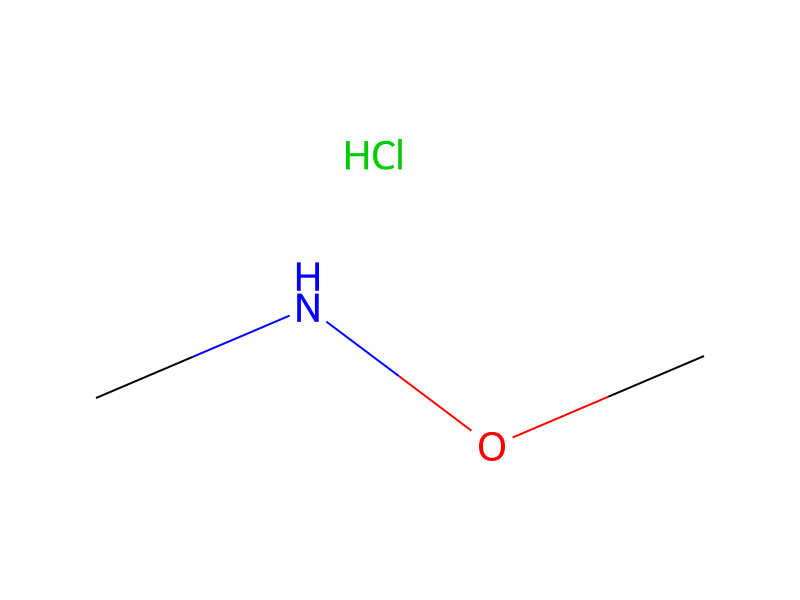
To a solution of 3-bromo-6-chloropicolinic acid (4.516 g, 19.10 mmol), N,O-dimethylhydroxylamine hydrochloride (3.73 g, 38.2 mmol), pyridine (4.63 mL, 57.3 mmol) in CH2Cl2 (40 mL) at 0° C. was added —N1-((ethylimino)methylene)-N3,N3-dimethylpropane-1,3-diamine hydrochloride (4.39 g, 22.92 mmol). After 1 h at 0° C., a saturated aqueous solution of ammonium chloride was added and the product was extracted with MTBE/EtOAc (4:1) (repeated 4 times). The organic layers were combined, dried over Na2SO4 and concentrated to dryness. The product was carried out without purification in the next step. LC/MS m/z 281 [M+H]+.