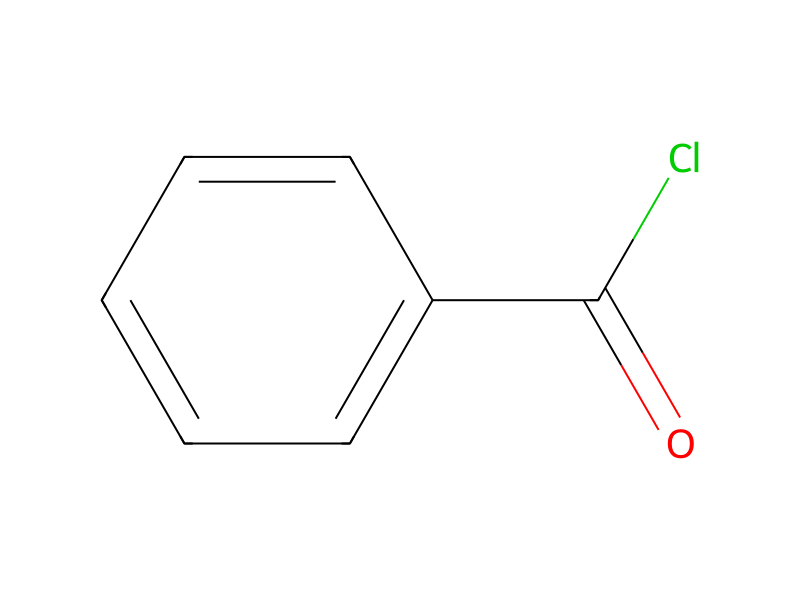
[Br:1][C:2]1[CH:9]=[CH:8][C:5]([NH:6][CH3:7])=[C:4]([N+:10]([O-:12])=[O:11])[CH:3]=1.[C:13](Cl)(=[O:20])[C:14]1[CH:19]=[CH:18][CH:17]=[CH:16][CH:15]=1.C(OCC)(=O)C>N1C=CC=CC=1>[Br:1][C:2]1[CH:9]=[CH:8][C:5]([N:6]([CH3:7])[C:13](=[O:20])[C:14]2[CH:19]=[CH:18][CH:17]=[CH:16][CH:15]=2)=[C:4]([N+:10]([O-:12])=[O:11])[CH:3]=16.8 g (29 mmol) of 4-bromo-N-methyl-2-nitroaniline was dissolved in 20 mL of pyridine. After the addition of 5.0 g (35 mmol) of benzoyl chloride, the mixture was stirred at 90° C. for 7 hours in an argon atmosphere. After completion of the reaction, 200 mL of ethyl acetate was added to the reaction solution. The organic phase was washed with a 10% hydrochloric acid aqueous solution, a 10% potassium carbonate aqueous solution, and a saturated sodium chloride solution, and dried over magnesium sulfate. After filtering the organic phase, the solvent was evaporated under reduced pressure. The residue was purified by silica gel column chromatography to obtain 9.5 g of 4′-bromo-N-methyl-2′-nitrobenzanilide as a green-white solid (yield: 96%).