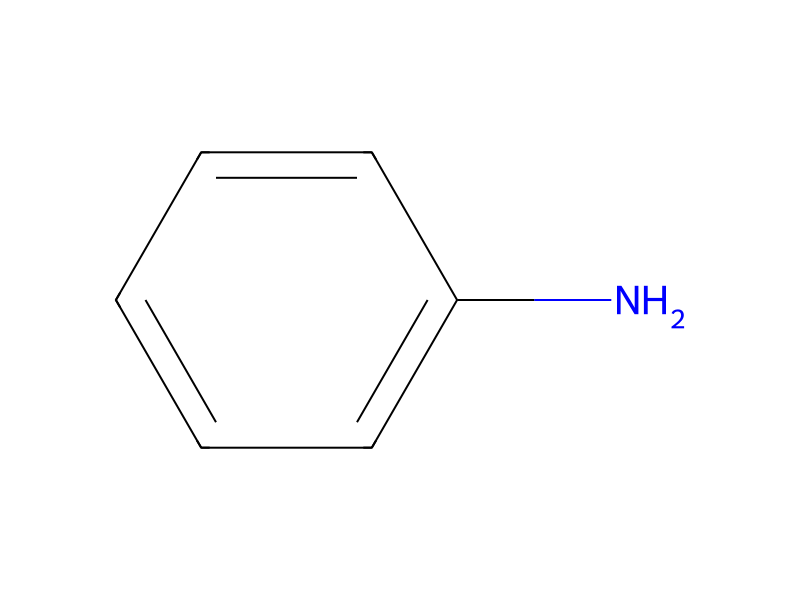
Into a 5 liter round bottom flask, fitted with an addition funnel, Friedrich condenser, thermocouple, stir bar and nitrogen line, were charged 5-vinyl-2-norbornene (1500 grams, 12.48 moles, from Sigma-Aldrich), platinum catalyst (4.5 grams of a 3 wt % solution of platinum(0)-1,3-divinyl-1,3-divinyl-1,1,3,3-tetramethyldisiloxane complex in xylenes) and aniline (2.87 grams, 0.031 moles). The reaction mixture was heated gently to 100° C. and then trimethoxysilane (1372.5 grams, 11.23 moles from Momentive Performance Materials, Inc.) was incrementally charged into the flask. The reaction temperature was maintained using (controlling) the rate of addition and heating. The reaction mixture temperature was maintained in a ranged of from 63° C. to 118° C. The mixture was recatalyzed with an additional 1.3 grams of Pt complex and house air was bubbled intermittently into the reaction mixture using a small gage stainless steel needle introduced through a rubber septum. After all the trimethoxysilane had been consumed, the mixture was purified by vacuum distillation. The mono trimethoxysilylated product was isolated at 93° C. and 3 mmHg pressure leaving behind the his trimethoxysilylated constituent.