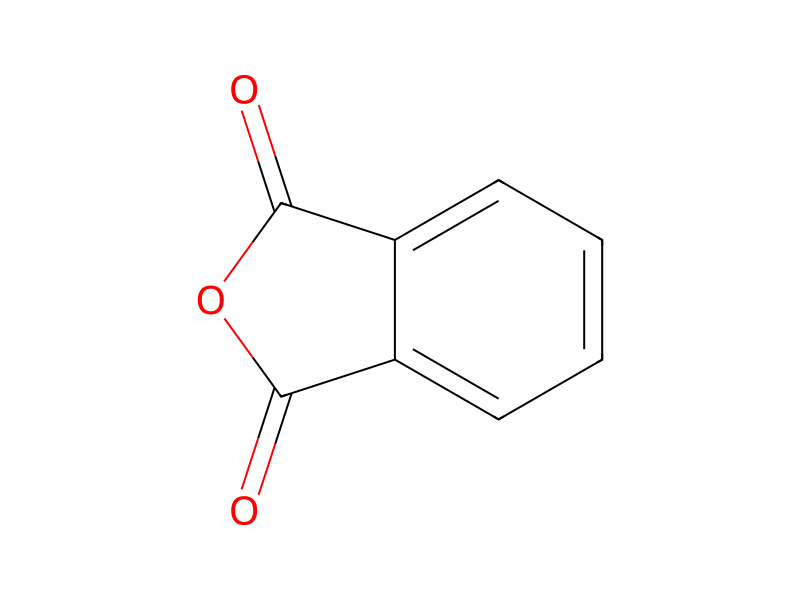
There was prepared (3-phthalimidopropyl)trimethylammonium tetrafluoroborate by dissolving 145 grams, 1.42 moles, of dimethylaminopropylene, and 3.92 grams, 0.039 moles of triethylamine in one liter of xylene, in a two litered three necked round bottom flask equipped with a stirrer, a thermometer, a heating mantle, a Dean-Stark trap, and a reflux condenser. Subsequently 191.3 grams, 1.29 moles of phthalic anhydride was added, and the mixture was refluxed at a temperature of 140 degrees centigrade. Subsequent to refluxing for 24 hours, 24 milliliters of water was collected in the Dean-Stark trap. The xylene and excess amines were then removed from the reaction mixture on a rotary evaporator yielding the crude product N-(dimethylaminopropyl)phthalimide, in a yield of 300 grams. The crude imide separated was a brown syrup which crystallized on standing. This imide product, subsequent to purification by vacuum distillation, was identified by elemental analysis and infrared spectroscopy.