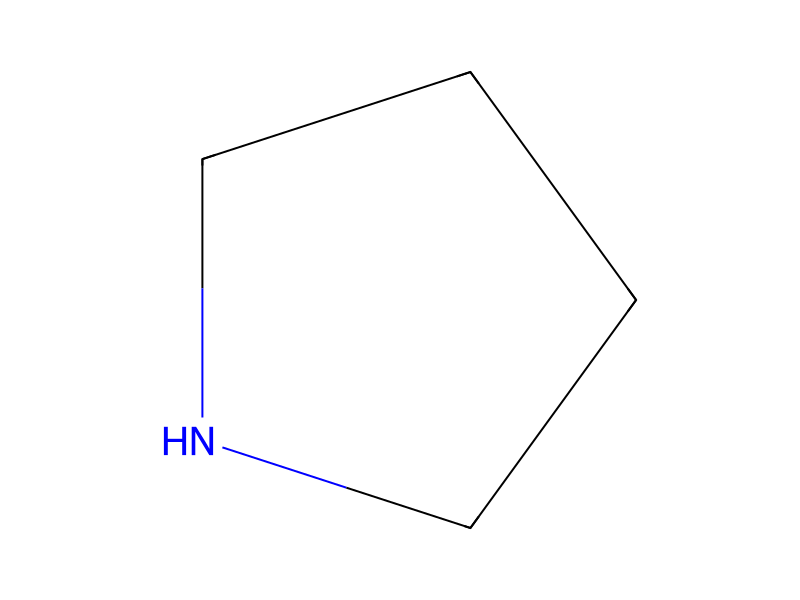
I[C:2]1[CH:7]=[CH:6][C:5]([B:8]([OH:10])[OH:9])=[CH:4][CH:3]=1.[CH2:11]([OH:14])[C:12]#[CH:13]>C1C=CC([P]([Pd]([P](C2C=CC=CC=2)(C2C=CC=CC=2)C2C=CC=CC=2)([P](C2C=CC=CC=2)(C2C=CC=CC=2)C2C=CC=CC=2)[P](C2C=CC=CC=2)(C2C=CC=CC=2)C2C=CC=CC=2)(C2C=CC=CC=2)C2C=CC=CC=2)=CC=1.N1CCCC1>[OH:14][CH2:11][C:12]#[C:13][C:2]1[CH:7]=[CH:6][C:5]([B:8]([OH:10])[OH:9])=[CH:4][CH:3]=1Pyrrolidine (100 mL) was added to a mixture of 4-iodophenylboronic acid (19.83 g, 80.01 mol) and Pd(Ph3P)4 (0.93 g, 0.80 mmol) and the mixture was stirred for 5 min to give a solution. The solution was cooled to 0° C. and propargyl alcohol (9.4 mL, 161.5 mol) was added. The resulting solution was stirred for 1 h at 0° C. and 18 h at room temperature and then concentrated in vacuo. The residue was diluted with 2 N NaOH (200 ml), washed with dichloromethane (2×100 mL), cooled to 0° C., and acidified with 10% HCl. The precipitated solids were isolated by filtration, washed with water and dried in vacuo to provided 12.76 g (91%) of the title compound as a tan solid. MS 175 (M−H)−.