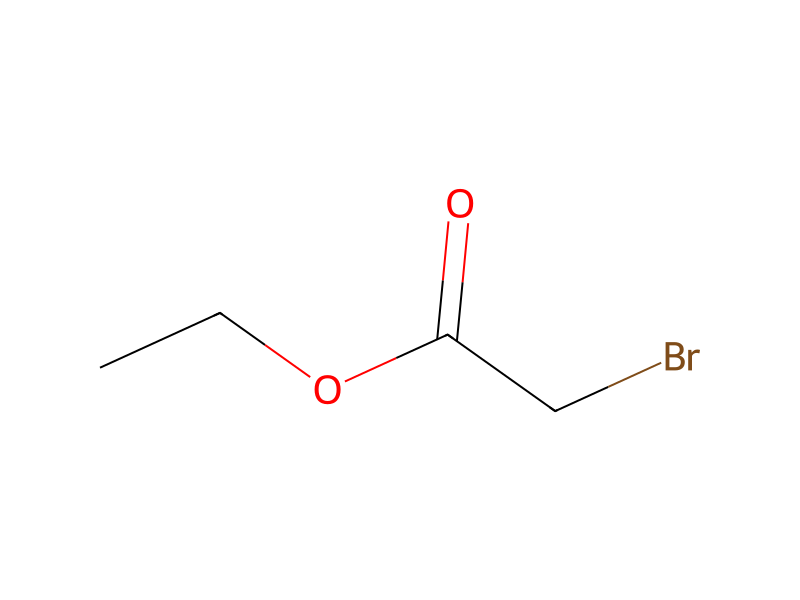
[N:1]([CH:4]1[CH2:10][CH2:9][C:8]2[CH:11]=[CH:12][C:13]([O:15][CH3:16])=[CH:14][C:7]=2[NH:6][C:5]1=[O:17])=[N+:2]=[N-:3].[OH-].[K+].Br[CH2:21][C:22]([O:24][CH2:25][CH3:26])=[O:23]>[Br-].C([N+](CCCC)(CCCC)CCCC)CCC.O1CCCC1>[N:1]([CH:4]1[CH2:10][CH2:9][C:8]2[CH:11]=[CH:12][C:13]([O:15][CH3:16])=[CH:14][C:7]=2[N:6]([CH2:21][C:22]([O:24][CH2:25][CH3:26])=[O:23])[C:5]1=[O:17])=[N+:2]=[N-:3]3-Azido-8-methoxy-2,3,4,5-tetrahydro-1H-[1]-benzazepin-2-one (5 g) was added in one portion to a stirred suspension of potassium hydroxide (1.3 g) and tetrabutylammonium bromide (0.7 g) in tetrahydrofuran (50 ml) maintained at 0° under a nitrogen atmosphere. Stirring was continued for 5 minutes, then a solution of ethyl bromoacetate (3.6 g) in tetrahydrofuran (15 ml) was added during 5 minutes. The reaction mixture was allowed to warm to room temperature while stirring for an additional 2 hours. The reaction mixture was filtered and the tetrahydrofuran was removed at reduced pressure. The residue was partitioned between water (50 ml) and ether (100 ml). The organic phase was washed with 2N hydrochloric acid (10 ml), dried over magnesium sulfate and the solvent removed under reduced pressure to give 3-azido-1-ethoxycarbonylmethyl-8-methoxy-2,3,4,5-tetrahydro-1H-[1]-benzazepin-2-one, m.p. 90°-91°.