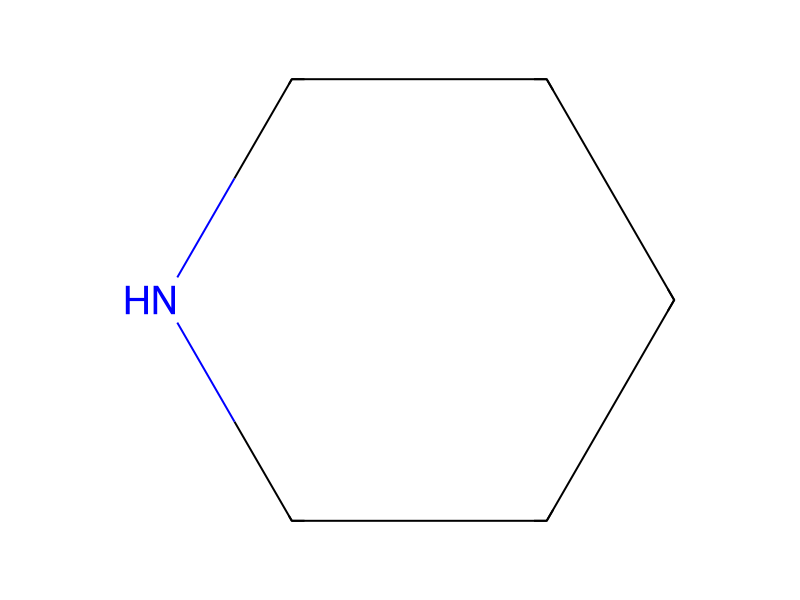
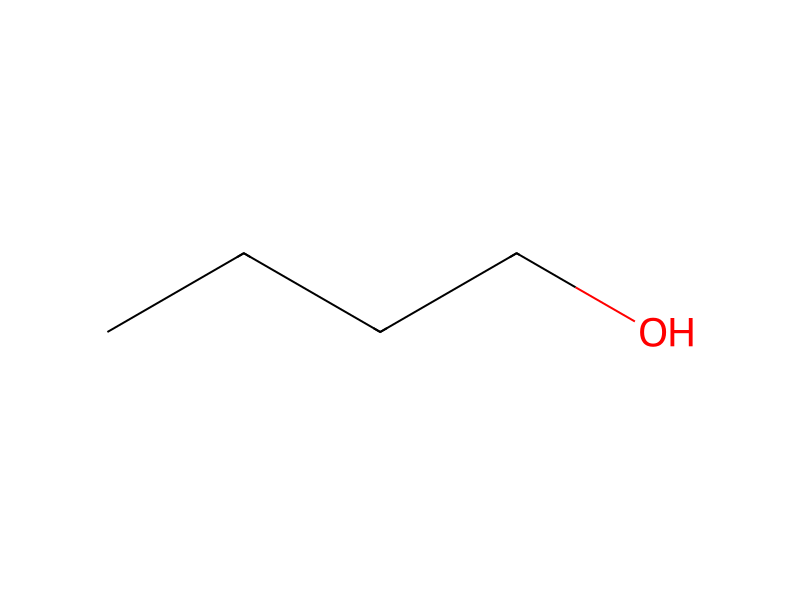
In analogy to the methods described by M. Boehringer et al., WO 03/068748, a solution of 25 g (169 mmol) of mesitaldehyde (2,4,6-trimethylbenzaldehyde) and 13.5 g (204 mmol) of malononitrile in 70 mL of n-butanol was stirred at room temperature for 1 h and then treated dropwise with 0.4 mL of piperidine, resulting in a color change and precipitation. After 5 h, the mixture was cooled in a freezer (−20° C.) for 10 min and then filtered. The solid was washed three times with cold n-butanol and then dried to give the title compound as a white solid. LC-MS 197 (M+1). This material has been reported as being made by a similar procedure [A. M. Shestapalov et al., Chem. Heterocycl. Compd. (Engl. Transl. of Khim. Geterotsikl. Soedin.), 38, 1345 (2002)].