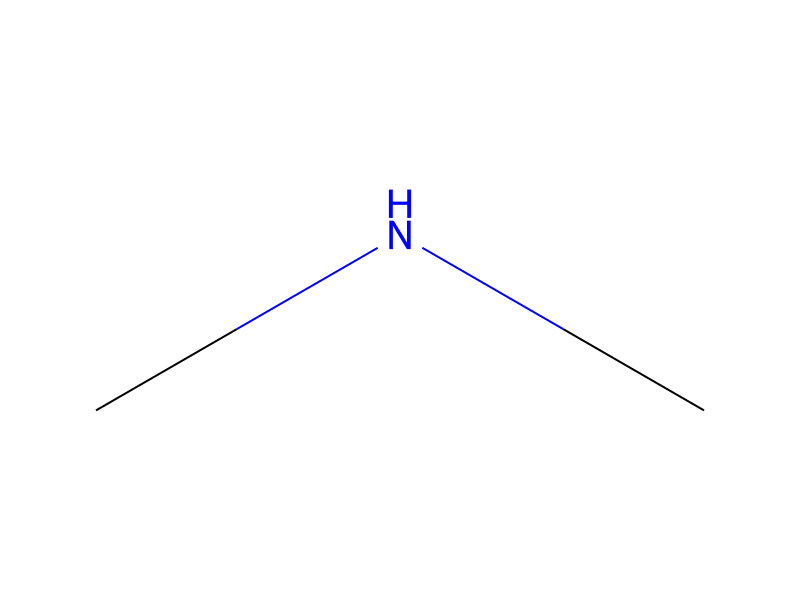
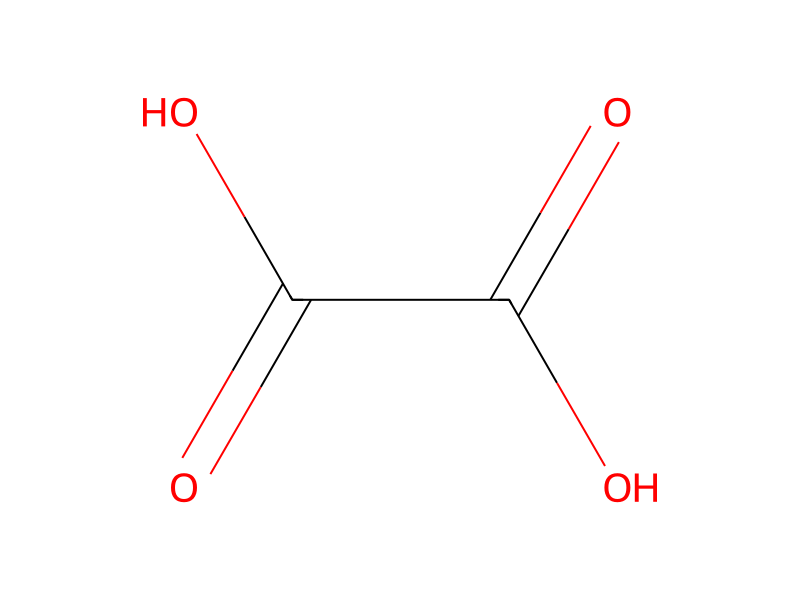
[Cl:1][C:2]1[CH:3]=[CH:4][C:5]2[O:11][CH:10]([CH2:12][CH2:13]Cl)[CH2:9][N:8]([CH3:15])[C:7](=[S:16])[C:6]=2[CH:17]=1.[CH3:18][NH:19][CH3:20].[C:21]([OH:26])(=[O:25])[C:22]([OH:24])=[O:23]>C(O)C.C(O)(C)C>[OH2:11].[C:21]([OH:26])(=[O:25])[C:22]([OH:24])=[O:23].[Cl:1][C:2]1[CH:3]=[CH:4][C:5]2[O:11][CH:10]([CH2:12][CH2:13][N:19]([CH3:20])[CH3:18])[CH2:9][N:8]([CH3:15])[C:7](=[S:16])[C:6]=2[CH:17]=1To a solution of 8.0 g (0.027 mole) of 7-chloro-2-(2-chloroethyl)-2,3-dihydro-4-methyl-1,4-benzoxazepine-5(4H)-thione in 50 ml of absolute ethanol was added 6 ml (0.054 mole) of 40% aqueous solution of dimethylamine. The solution was heated in a steel bomb at 90° C. for 14 hr. The ethanol was removed under reduced pressure and the residue was partitioned between chloroform and aqueous sodium hydroxide. The chloroform layer was concentrated to give a viscous yellow oil. The oil was dissolved in isopropyl alcohol and reacted with oxalic acid. The oxalate salt immediately precipitated. The mixture was heated and a small amount of water was added to dissolve the salt. A white crystalline powder was obtained, mp. 150°-151° C.
Wird geladen…